
Philodendron grazielae
Philodendron grazielae
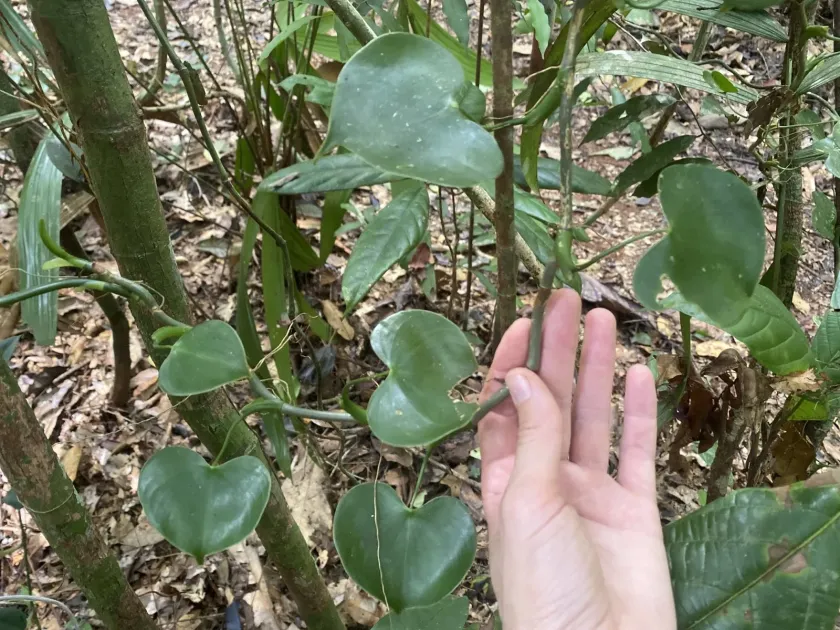
Description
Growing requirements
Philodendron grazielae belongs to the Araceae family and is native to the rainforests of South America. It is a highly valued climbing plant characterized by its unique, heart-shaped, deep green foliage with a distinct glossy texture.
This species is known for its relatively slow growth compared to other philodendrons, making it an ideal choice for limited indoor spaces. Its vining habit allows it to be trained on moss poles or kept in hanging baskets.
Optimal growth occurs in temperatures ranging from 20°C to 25°C. It is essential to maintain a humid environment, ideally above 60% relative humidity, to mimic the plant's natural tropical habitat and prevent leaf tip browning.
The substrate must be well-draining and airy. A professional mix often includes coco coir, orchid bark, perlite, and charcoal to prevent waterlogging and ensure sufficient oxygen exchange for the root system.
Light requirements for Philodendron grazielae involve bright, indirect sun. Direct sunlight exposure will quickly damage the leaves, causing sunburns that are irreversible and detract from the plant's aesthetic value.
Main diseases and pests
Common pests affecting this cultivar include spider mites, mealybugs, and scale insects. Regular inspection of the undersides of the leaves is critical for early detection and mitigation of these infestations.
Root rot remains the most significant threat to plant health, usually caused by overwatering or poor drainage systems. Utilizing containers with adequate drainage holes and letting the top layer of soil dry out between waterings is essential.