
Petunia Surfinia
Petunia surfinia
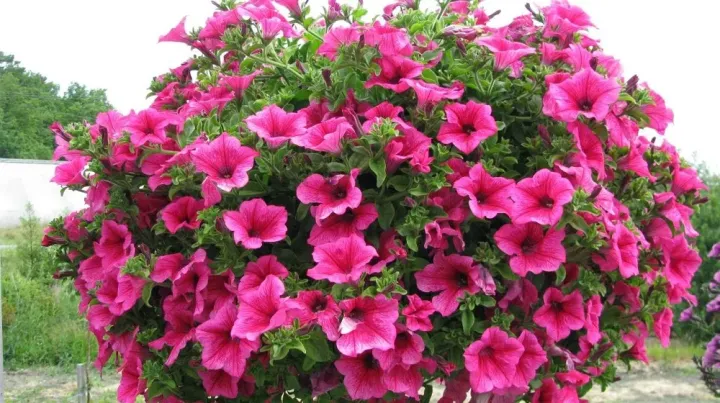
Description
Sowing dates
Petunia Surfinia is propagated exclusively through vegetative cuttings, as it is a complex hybrid. This ensures that the resulting plants maintain their vigorous growth habits and distinct floral characteristics.
Cuttings are placed in a light, sterile peat-based medium in late winter. Maintaining high humidity and a consistent temperature of around 20–22 degrees Celsius is crucial for successful rooting.
Once roots are well-established, young plants are transplanted into small pots. Initial pinching of the primary stems is essential to encourage the plant to branch out, creating a dense and healthy foundation.
Commercial producers use growth regulators to ensure uniformity in plant size and shape during the nursery phase. This stage is vital for creating a high-quality product ready for market.
Using high-quality rooting hormones can significantly decrease the time required for root development, leading to stronger, more resilient plants in the early stages of life.
Growing requirements
As a member of the Solanaceae family, Surfinia is highly demanding of nutrients and space. A large container, typically holding at least 5 to 8 liters of soil, is required per plant to support its rapid growth.
These plants are sun-loving and thrive in full exposure. Inadequate light results in long, leggy stems and fewer blooms, diminishing the aesthetic appeal of the plant during the peak season.
Watering needs are significant; the soil must remain consistently moist but not waterlogged. In hot summer conditions, plants may require watering twice a day to prevent wilting.
Fertilization is the key to continuous flowering. A liquid, balanced fertilizer rich in potassium and phosphorus should be applied weekly to support the massive energy requirements of the plant.
Soil quality is paramount; a well-draining mixture consisting of peat, bark, and perlite helps maintain an ideal balance between aeration and moisture retention for the roots.
Main diseases and pests
Spider mites are the most common pests, particularly when the ambient temperature is high and humidity is low. They can quickly cause discoloration and damage to the leaves.
Powdery mildew is a frequent fungal issue caused by poor air circulation or high moisture levels. It appears as a white, dusty coating on the surface of the leaves.
Chlorosis is a common physiological condition caused by iron deficiency. The leaves turn yellow while the veins remain green, signaling a need for chelated iron supplements.
Aphids tend to congregate on fresh growth and flower buds. Frequent monitoring is necessary to catch infestations early before they cause significant damage to the floral display.
- Regular application of systemic insecticides during peak infestation periods.
- Ensuring proper spacing to facilitate air movement around the foliage.
- Removing wilted flowers to prevent gray mold (botrytis) formation.
- Testing water pH to avoid nutrient lockout in the container soil.