
Petunia pendula
Petunia pendula
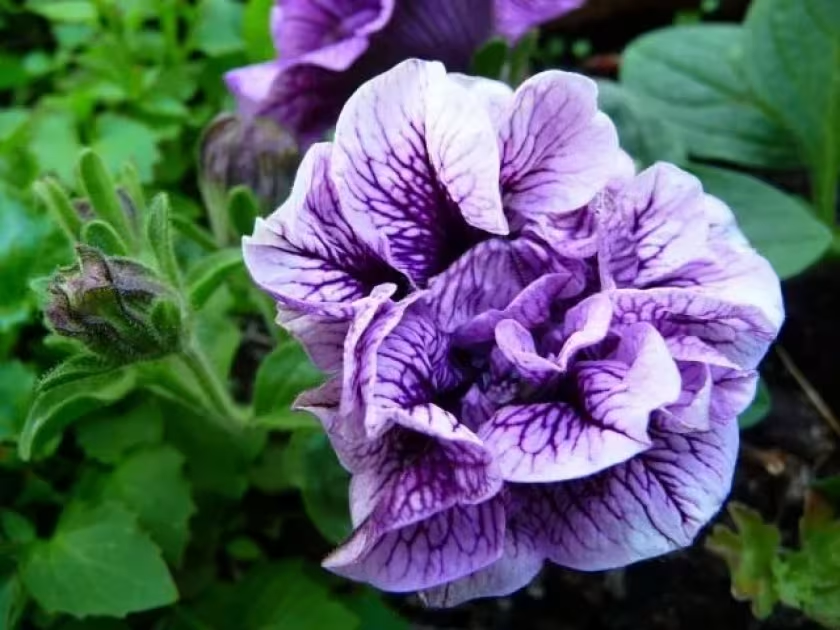
Description
Sowing dates
Sowing Petunia pendula seeds starts in late winter or early spring to ensure the plants are mature enough for the peak summer flowering season. The seeds are extremely tiny and should be surface-sown onto a high-quality, moist growing medium without covering them with soil.
Light is essential for the germination of petunia seeds, so keep the containers in a bright location but away from direct scorching sun. Covering the seed trays with clear plastic or glass helps maintain high humidity levels which are critical for the initial growth phase.
Maintain an ambient temperature of 22–24 degrees Celsius during the germination period. Once the seedlings develop their first true leaves, they should be carefully transplanted or thinned to allow each plant enough space to develop a strong root system before final potting.
Hardening off is a vital step before moving the plants outdoors. Gradually exposing the seedlings to outdoor conditions over two weeks helps them adjust to temperature fluctuations and wind, reducing transplant shock when they are moved to their permanent locations.
When selecting containers, ensure they have sufficient drainage holes. Petunia pendula is ideal for hanging baskets or wall planters where its trailing habit can be showcased, provided it is given enough soil volume for healthy root development.
Growing requirements
Petunia pendula is a member of the Solanaceae family and thrives in full sun, requiring at least six to eight hours of direct light daily to produce its signature profuse blooms. In extremely hot climates, partial afternoon shade can prevent the plant from becoming heat-stressed.
The soil should be light, well-draining, and rich in organic matter. Using a high-quality peat-based mix with added perlite or vermiculite ensures that the roots receive sufficient oxygen and prevents the soil from becoming compacted or waterlogged.
Consistent moisture is key to success. In hanging baskets, the soil dries out much faster than in garden beds, necessitating frequent monitoring and watering, especially on windy or very sunny days. Avoid wetting the foliage during watering to prevent fungal issues.
Regular fertilization is necessary to support the continuous growth and flowering of these plants. A balanced, water-soluble fertilizer applied every week throughout the growing season keeps the plant vigorous and encourages constant production of new flower buds.
- Sun exposure: Full sun is preferred for maximum bloom.
- Soil pH: Slightly acidic to neutral (6.0–7.0).
- Maintenance: Deadheading is recommended to promote new growth.
Main diseases and pests
Powdery mildew is a common fungal disease that appears as a dusty white coating on leaves and stems, usually triggered by poor air circulation and high humidity levels. Improving spacing and airflow around the plants is the primary preventive measure.
Gray mold, also known as Botrytis, can be a major problem in cool, damp weather. It causes flowers and stems to turn mushy and gray, often spreading rapidly if not controlled. Removing damaged plant tissue immediately is essential to save the rest of the plant.
Pests such as aphids and spider mites frequently target the tender shoots and leaves of petunias. These sap-sucking insects can severely weaken the plant and transmit viral diseases, making regular inspection of the undersides of leaves necessary for early intervention.
Iron deficiency, resulting in chlorosis, is common in soils with an incorrect pH balance. When leaves turn yellow but veins remain green, applying iron chelate supplements or adjusting the soil acidity can help restore the plant's natural health and color.
Effective management involves maintaining a clean garden environment by clearing away debris and weeds that harbor pests. Providing optimal growing conditions—such as adequate sunlight and proper drainage—is the best defense against all types of biotic and abiotic stress.