
Petunia multiflora
Petunia multiflora
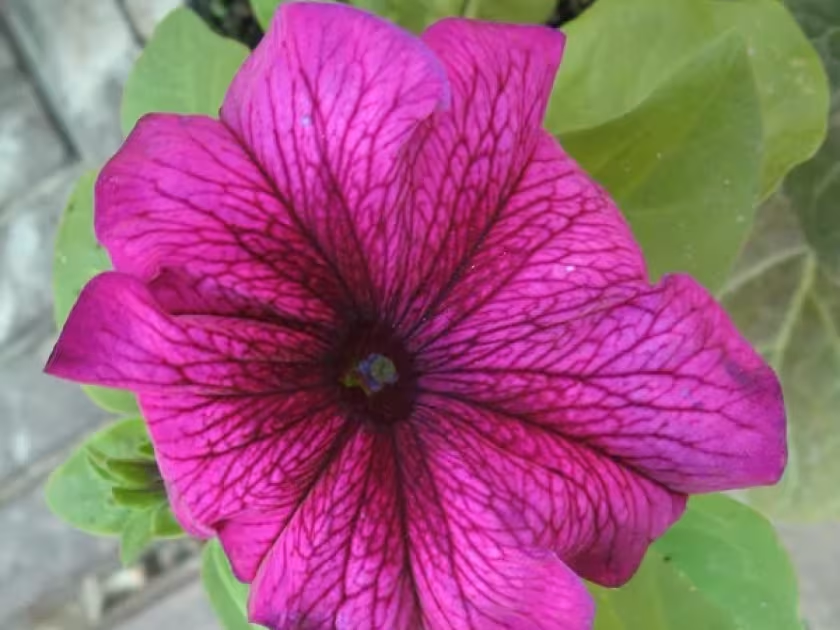
Description
Sowing dates
Petunia multiflora belongs to the Solanaceae family and represents a group of hybrids widely used in professional floriculture. Originating from the tropical regions of South America, this plant is cultivated globally as an annual ornamental species.
Sowing should take place between February and March to ensure mature plants are ready for transplanting. Seeds are extremely small, requiring surface sowing on a fine substrate without covering, under a greenhouse cover or plastic film.
Germination requires a stable temperature between +20°C and +25°C and sufficient light exposure. If light is insufficient, the seedlings tend to stretch rapidly, becoming fragile and susceptible to various seedling diseases.
Seedlings should be pricked out into individual pots or cell trays once the first two true leaves appear. This process facilitates the development of a healthy root system and prepares the plant for further growth stages.
Hardened seedlings are transplanted into the soil only after the last risk of spring frost has passed. Planting density is typically 20–25 centimeters apart to allow for proper airflow and development of each individual plant.
Growing requirements
This crop is highly light-demanding and prefers sunny locations with minimal shade. In shaded conditions, Petunia multiflora loses its decorative appeal, becomes leggy, and produces significantly fewer blooms throughout the season.
The soil must be fertile, light, and well-drained, with a pH ranging from neutral to slightly acidic. Providing adequate drainage is crucial, as waterlogged soil is fatal to the root system and promotes decay.
Irrigation should be regular but cautious, aiming water at the root zone while keeping flowers and foliage dry to prevent rotting. During peak summer heat, the plant requires increased monitoring to prevent drought stress.
Regular fertilization with potassium and phosphorus-rich fertilizers is necessary to support continuous flowering. Nutrient applications should begin two weeks after transplanting and continue on a bi-weekly basis throughout the growing cycle.
Deadheading, or the removal of spent flowers, is essential for maintaining the vigor of the plant. This practice prevents seed pod formation, diverting the plant's energy toward producing new buds and maintaining constant flowering.
Main diseases and pests
Damping-off (black leg) is the most common threat to young seedlings, caused by excessive soil moisture and poor ventilation. Proper watering management is the primary preventative measure against this fungal infection.
Powdery mildew is a frequent problem in humid environments with drastic temperature fluctuations. It manifests as a white powdery coating on leaves and requires swift treatment with systemic fungicides to prevent rapid spread.
Pests such as spider mites and aphids can devastate the plants during hot, dry weather. These insects sap the vitality of the plant, leading to stunted growth, yellowing foliage, and deformed flower buds if left untreated.
Viral infections may occur, often transmitted by insect vectors. There is no cure for established viral disease, so infected plants must be removed and destroyed immediately to protect the rest of the planting area.
Integrated pest management, including regular inspection of the foliage and timely application of insecticides, is recommended for maintaining the health of the plants. Clean horticultural practices significantly reduce the risks of disease outbreaks.