
Petunia milliflora
Petunia milliflora
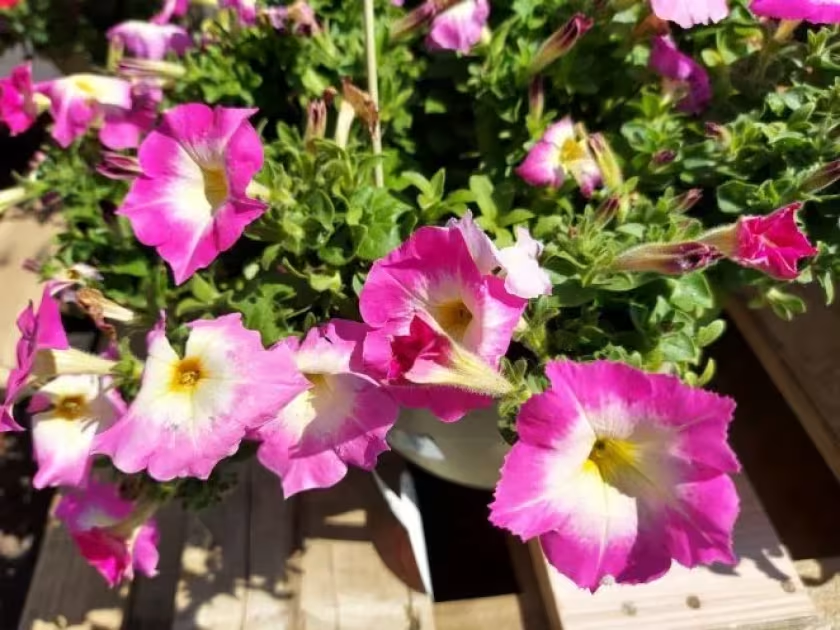
Description
Sowing dates
Petunia milliflora belongs to the Solanaceae family and is typically grown as an annual herb in temperate climates. Originating from South America, this cultivar is highly valued for its profuse production of tiny, numerous blooms that cover the plant in a vibrant carpet.
Seeds are sown indoors in late February or early March to ensure the plants reach their blooming peak by early summer. Because petunia seeds are extremely fine, they are sown on the soil surface without burying them, as they require light to germinate effectively.
Maintaining a temperature range of +22…+24 degrees Celsius and high humidity is essential for successful germination. Trays are covered with transparent film or glass to simulate greenhouse conditions until the tiny seedlings emerge from the substrate.
After germination, temperatures should be gradually lowered to about +18 degrees Celsius to prevent the seedlings from becoming leggy. Pricking out into individual pots occurs when the first pair of true leaves appears, allowing for strong root development.
Transplanting the hardened seedlings into outdoor containers or flower beds is performed once the threat of late spring frosts has passed. Late May is generally considered the optimal time for moving petunias to their permanent outdoor locations.
Growing requirements
Petunia milliflora thrives in full sun, which is necessary for compact growth and heavy flowering. Providing at least 6–8 hours of direct sunlight daily is vital for maintaining the plant's aesthetic appeal throughout the growing season.
Soil conditions must be light, fertile, and well-draining, with a slightly acidic to neutral pH. Proper drainage is the most important factor in container gardening to prevent waterlogging, which the roots cannot tolerate.
Regular watering is required, particularly during hot and dry spells, to prevent the plants from wilting. However, it is important to keep the foliage and flowers dry by watering at the base of the plant to reduce the risk of fungal infections.
Frequent fertilization is critical for this high-maintenance flower, as continuous blooming depletes soil nutrients rapidly. Using balanced liquid fertilizers rich in phosphorus and potassium every week ensures vibrant and lasting floral displays.
This variety is known for its versatility and resilience in urban environments, making it a favorite for landscaping projects, hanging baskets, and balcony boxes where a dense and floriferous cover is desired.
Main diseases and pests
Powdery mildew is a common fungal issue that manifests as a dusty white layer on the leaves, usually appearing in high humidity. Fungicidal treatments are effective when applied early to prevent the spread of spores across the foliage.
Root rot is often the result of poor drainage and overwatering, leading to the rapid decay of the root system. Using fresh, sterile potting mix and ensuring pots have adequate drainage holes are the best preventive measures.
Spider mites are common pests that thrive in warm, dry weather, often causing the leaves to turn yellow or mottled. Applying specialized acaricides ensures that the pest population is kept under control without damaging the plants.
Aphids and whiteflies can also infest the tender stems, sucking plant sap and weakening the overall health of the petunia. Integrated pest management using organic or systemic insecticides is recommended to keep these insects at bay.
Good cultural practices, such as removing faded flowers and maintaining proper spacing between plants, significantly improve plant vigor. A healthy, well-nourished plant is naturally more resistant to both environmental stress and pest attacks.