
Petunia hybrids
Petunia hybrids
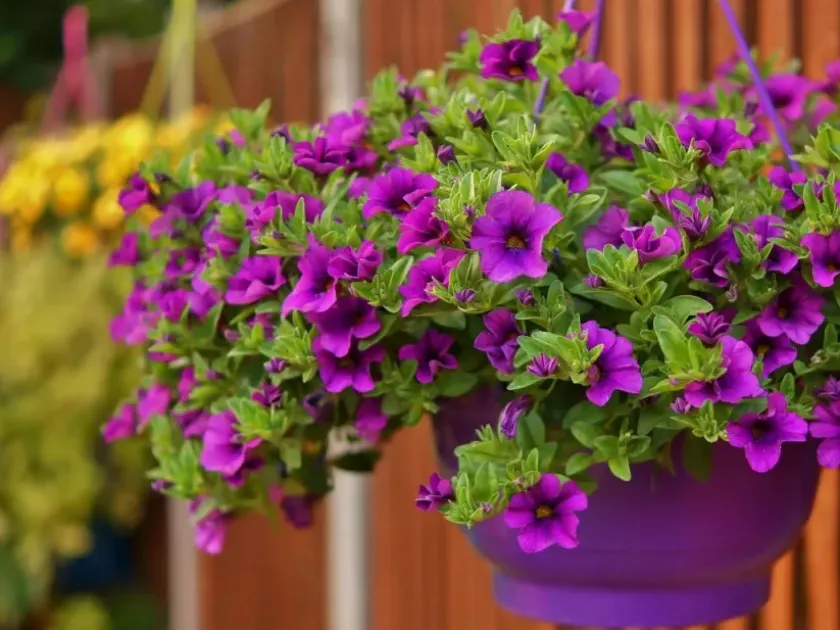
Description
Sowing dates
Petunia hybrids belong to the Solanaceae family and are widely cultivated as annual flowering plants. Originating from South American tropical regions, they have been selectively bred to produce a vast array of colors and growth habits, ranging from trailing varieties for baskets to upright bedding types.
Seeds should be started indoors about 10–12 weeks before the last frost date. Because petunia seeds are extremely small, they should be sown on the surface of a fine, moist potting mix without covering them with soil, as they require light to germinate effectively.
Maintaining a constant temperature between +22°C and +25°C is crucial for successful germination. Using a humidity dome or clear cover helps keep the environment stable, but it should be removed as soon as the first seedlings emerge to prevent damping-off diseases.
Once the seedlings develop their first true leaves, they should be transplanted into individual cells or small pots. This practice encourages robust root growth and prevents the young plants from becoming overcrowded or weak before they are hardened off for outdoor planting.
Hardening off is a vital step before moving the plants outdoors. Gradually exposing them to outdoor conditions over a week helps them acclimatize to temperature fluctuations and sunlight intensity, ensuring they survive the transition to garden beds or hanging baskets.
Growing requirements
Petunias are sun-loving plants that thrive in full sun exposure. They require at least 6 to 8 hours of direct sunlight daily to produce abundant flowers. In shaded areas, the plants will become leggy, lose their vigor, and bloom significantly less than in sunnier spots.
Well-draining, nutrient-rich soil is essential for petunia health. Whether planted in the ground or in containers, the substrate must be slightly acidic to neutral to prevent nutrient deficiencies like iron chlorosis, which causes leaves to turn yellow while veins remain green.
Watering management is key to successful cultivation. Petunias prefer consistent soil moisture but do not tolerate waterlogged conditions. In containers, ensure pots have drainage holes to prevent root rot, which is one of the most common reasons for plant loss.
Fertilizing on a regular basis is necessary due to the high metabolic demand of the flowering period. A water-soluble fertilizer balanced for flowering plants, applied every 7–14 days, provides the phosphorus and potassium needed to fuel continuous bloom production throughout the season.
Deadheading or pinching back overgrown stems can drastically improve the plant's appearance. By removing spent blossoms and trimming long branches, gardeners encourage the plant to put energy into producing new buds rather than seed pods, resulting in a fuller and more vibrant display.
Main diseases and pests
Powdery mildew is a common fungal threat, typically appearing as a white, dusty film on the foliage during periods of high humidity and poor air circulation. Improving spacing and applying suitable fungicides can help manage the infection and protect the plant's health.
Aphids often target the tender new growth of petunias, sucking out sap and causing stunted, curled leaves. They can also act as vectors for viruses, making it important to detect their presence early and treat the infestation with insecticidal soap or appropriate garden sprays.
Spider mites are notorious pests that thrive in hot, dry environments. They spin delicate webs on the underside of leaves and cause stippling or bronzing of the foliage; keeping the plants well-hydrated and increasing humidity can help prevent major outbreaks.
Root rot, frequently caused by Pythium species, occurs when plants are kept in soggy, non-draining conditions. It results in wilting and sudden collapse, and once established, it is difficult to treat, making prevention through soil drainage the primary defense strategy.
Botrytis blight, also known as gray mold, can attack flowers and foliage during wet, cool weather. Removing damaged or decaying plant matter promptly and ensuring good airflow around the plants are effective ways to mitigate the risk of this fungal disease spreading.