
Petunia floribunda
Petunia floribunda
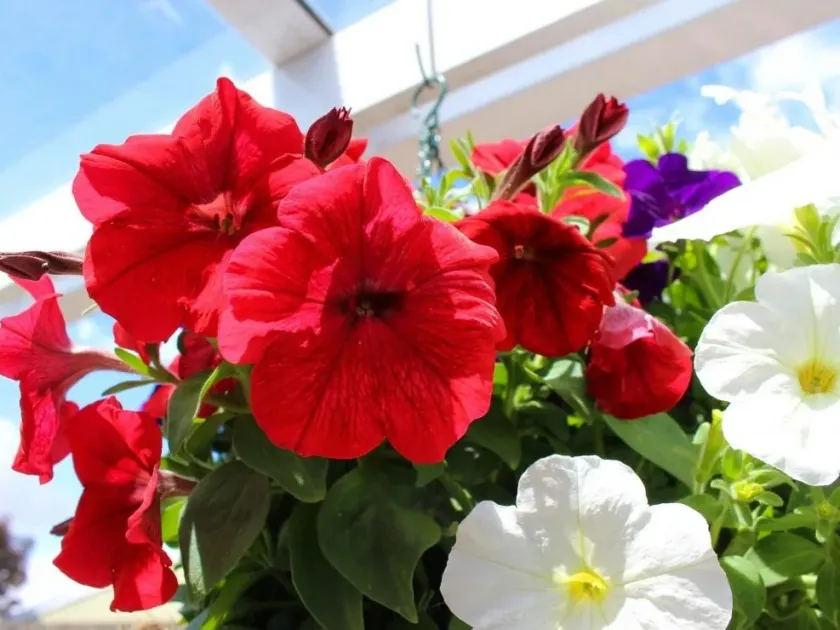
Description
Sowing dates
Petunia floribunda belongs to the Solanaceae family. This hybrid group is characterized by a compact growth habit and a prolific display of flowers, making it a staple in ornamental horticulture.
Seeds are typically sown indoors in late winter, usually 10–12 weeks before the last frost date. Due to their small size, they are surface-sown onto a fine, moist potting mix.
A constant temperature of 22–24 degrees Celsius is required for successful germination. Light is essential for this process, so the trays must not be covered with opaque soil or dark materials.
Seedlings require significant light intensity during the development stage to ensure strong, stocky growth. Supplemental lighting is recommended in regions with low natural winter sunlight.
Transplanting to outdoor locations or hanging baskets should only occur once the danger of frost has passed. Hardening off the plants for a week before planting ensures better survival rates.
Growing requirements
Full sun is a critical requirement for Petunia floribunda. These plants need at least 6–8 hours of direct sunlight daily to maintain their compact shape and heavy flowering.
The soil should be well-draining, rich in organic matter, and slightly acidic. Good drainage is non-negotiable, as the roots are highly susceptible to rot in waterlogged conditions.
Consistent irrigation is vital, especially for container-grown plants which can dry out quickly. However, watering should be focused on the soil surface to keep foliage dry.
Regular fertilization with a balanced, water-soluble fertilizer is necessary for sustained performance. Nitrogen levels should be managed carefully to avoid excessive leafy growth at the expense of flowers.
Climate adaptability is moderate, but these plants thrive best in warm, stable temperatures. Protection from heavy, prolonged rainfall is advised to keep the delicate petals intact.
Main diseases and pests
Aphids are the most common insect pests, feeding on the undersides of leaves and flower buds. Infestations can lead to stunted growth and the transmission of viral diseases.
Spider mites are prevalent in hot, dry weather conditions. They cause fine stippling on the foliage and, if unchecked, can lead to leaf yellowing and eventual plant decline.
Botrytis blight, or gray mold, is a major fungal threat in high-humidity environments. It creates fuzzy gray lesions on decaying flower petals and stems.
Powdery mildew appears as white, dusty patches on leaves, often occurring when air circulation is poor. Proper spacing between plants is the best preventative strategy.
Chemical control involving systemic insecticides and fungicides should be applied based on necessity. Integrated pest management practices, such as removing infected debris, are highly recommended.