
Perny holly
Ilex pernyi Franch.
Description
Growing requirements
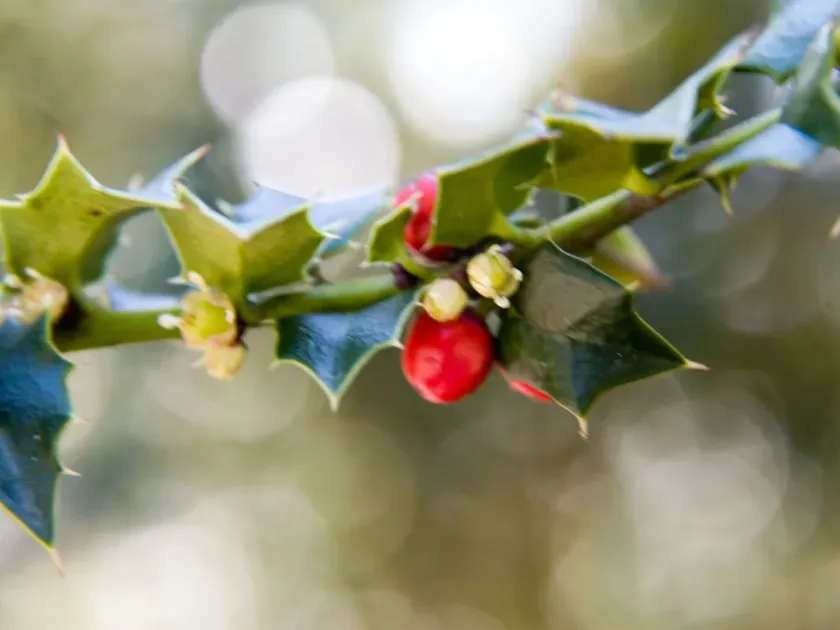
Perny holly (Ilex pernyi) is an evergreen shrub belonging to the Aquifoliaceae family, native to the central and western regions of China. It is highly valued for its compact, narrow growth habit and distinctively spiny, dark green foliage.
The plant thrives in fertile, well-draining soils with an acidic to neutral pH level. It is essential to ensure that the planting site prevents waterlogging, as the root system is prone to decay if kept in constantly saturated conditions.
Climatic requirements involve protection from extreme frost and desiccating winter winds. While it is hardy in many zones, establishing the plant in a sheltered, semi-shaded location helps preserve its vibrant leaf color throughout the year.
Agrotechnical care consists of consistent mulching using pine bark or peat, which suppresses weeds and acidifies the substrate. Occasional feeding with a specialized ericaceous fertilizer promotes healthy growth and density.
Perny holly is predominantly utilized in ornamental horticulture for hedges, topiary art, and as a specimen plant. Its ability to produce bright red berries during the winter adds significant aesthetic value to gardens.
Main diseases and pests
Leaf spot diseases are the primary pathological concerns for Ilex pernyi, often occurring due to poor air circulation within the canopy. Regular monitoring and pruning of affected branches serve as effective preventive measures.
Scale insects and mealybugs are the most common pests affecting this culture. If an infestation is identified, the application of horticultural oil or specific insecticides is required to manage the pest population effectively.
Spider mites can become a nuisance during hot, dry summer months. Increasing humidity around the plant through overhead watering and maintaining soil moisture can mitigate the risk of mite outbreaks.
Chlorosis, appearing as yellowing of the foliage, is typically caused by high alkalinity in the soil. Amending the soil with organic matter and applying chelated iron are standard practices to restore leaf health.
Maintaining a healthy, stress-free plant through proper placement and irrigation is the best strategy for preventing diseases. A vigorous holly is naturally better equipped to resist common garden pests.