
Violet sage
Salvia x superba Stapf
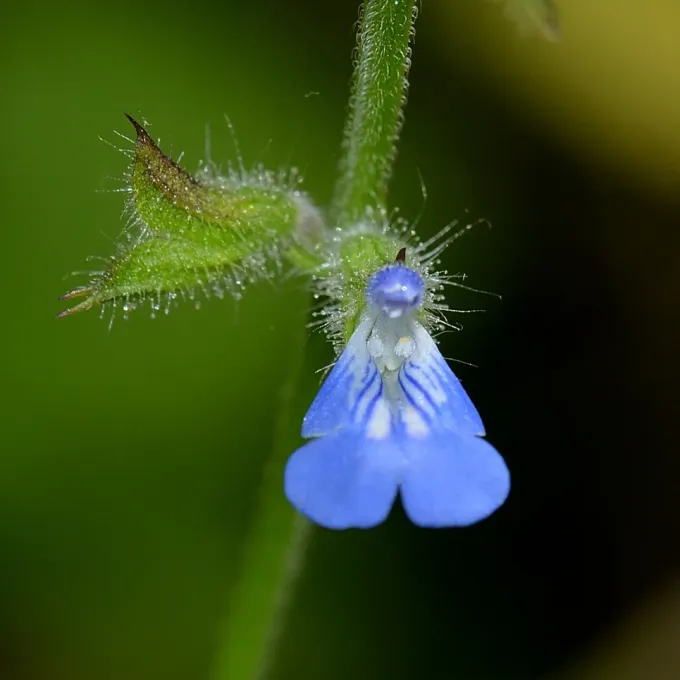
Description
Sowing dates
Violet sage (Salvia x superba) is a popular hybrid member of the Lamiaceae family, highly valued for its striking floral spikes. In agricultural settings, it is primarily propagated through vegetative means, such as stem cuttings or division, to ensure genetic uniformity.
Seed-based propagation is feasible but requires controlled conditions. Sowing occurs in late winter within greenhouses, using a well-aerated, sandy soil mix to prevent damping-off diseases in young seedlings.
Seeds of this variety are light-dependent for germination, so they should be pressed lightly into the soil surface rather than buried. Maintaining a consistent temperature between 18°C and 21°C is vital for uniform sprout emergence.
Transplanting into the field takes place once the danger of frost has fully passed. Ensuring the seedlings are hardened off for at least two weeks before planting significantly improves their survival rate in outdoor conditions.
For optimal field density, plants should be spaced approximately 40 to 50 centimeters apart. This spacing allows for proper air circulation, which is crucial for maintaining the long-term health of the perennial crop.
Growing requirements
Salvia x superba thrives in full sun exposure, which is necessary for compact growth and prolific blooming. Partial shade can lead to leggy, weak stems and significantly reduced flower production throughout the season.
The crop prefers fertile, well-draining soils. While it is adaptable to various soil types, sandy loams with a neutral pH provide the best environment for root establishment and nutrient uptake.
Drainage is the most critical factor for successful cultivation. Soil must be loose, as standing water will cause root rot during the dormant winter months, especially in regions with heavy precipitation.
Water requirements are moderate. Once the plants are established, they exhibit significant drought tolerance; however, supplemental irrigation during prolonged dry spells enhances the intensity of the floral display.
Fertilization should be balanced. A light application of nitrogen-rich fertilizer in early spring supports leaf development, while a boost of phosphorus later in the season promotes vibrant and long-lasting spikes.
Main diseases and pests
Powdery mildew represents the primary threat to the crop, particularly in humid or stagnant air conditions. The presence of white, dusty patches on foliage requires immediate attention through improved ventilation and fungicide application.
Root rot is a persistent danger caused by poorly drained soils or excessive irrigation. Preventing soil compaction and ensuring adequate slope for water runoff are fundamental management practices for this species.
Slugs and snails can cause severe damage to juvenile plants by consuming leaf tissue. Integrated pest management, including physical barriers or baiting, is recommended for controlling these pests early in the season.
Aphids are frequent visitors during the flowering stage, settling on the tender tips of the stems. If left unmanaged, they can weaken the plant and promote the growth of sooty mold on the foliage.
Regular sanitation of the cultivation area is essential. Removing spent foliage and debris at the end of the season reduces the overwintering capacity of common pathogens and insect pests.