
Peperomia verschaffeltii
Peperomia verschaffeltii
Description
Growing requirements
Peperomia verschaffeltii belongs to the Piperaceae family and is a distinctive ornamental plant originating from the tropical regions of South America. It is a compact perennial known for its unique aesthetic appeal in indoor cultivation.
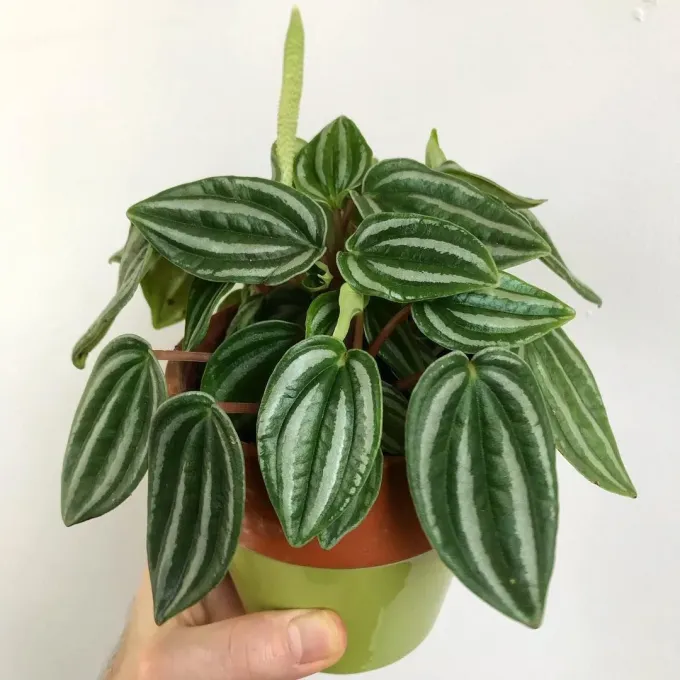
The botanical features of this plant include heart-shaped leaves that display a striking pattern of silver veins contrasting with the darker green background. Its compact growth habit makes it an excellent choice for ornamental pots and greenhouses.
The plant requires bright, indirect sunlight for optimal photosynthesis. Direct exposure to intense sun rays should be avoided, as it can easily damage the delicate leaf tissue and cause dehydration.
Ideal soil conditions involve a porous, well-draining substrate that mimics its natural habitat. A mixture of peat, perlite, and bark is typically used to ensure proper aeration and prevent moisture retention.
Care instructions include a consistent watering schedule, allowing the top layer of the soil to dry out between waterings. Maintaining a stable temperature between 18°C and 24°C is essential for healthy development.
Main diseases and pests
The most common pests affecting this species are mealybugs and spider mites, which thrive in environments with low humidity and poor ventilation. Regular inspection is necessary to catch infestations early.
Root rot is the primary physiological disease associated with this culture, often caused by overwatering or soil that lacks proper drainage. It can quickly destroy the root system if left unaddressed.
To keep the plant healthy, one should maintain cleanliness around the foliage and avoid excessive moisture on the leaves, which could encourage fungal growth during cooler seasons.
Insecticidal soaps or neem oil are effective treatments for managing pest populations in an indoor setting. These should be applied carefully to avoid damaging the leaves.
Proper environmental management, including good airflow and correct watering cycles, is the most effective way to prevent diseases and ensure the plant thrives throughout the year.