
Peperomia emarginella
Peperomia emarginella
Description
Growing requirements
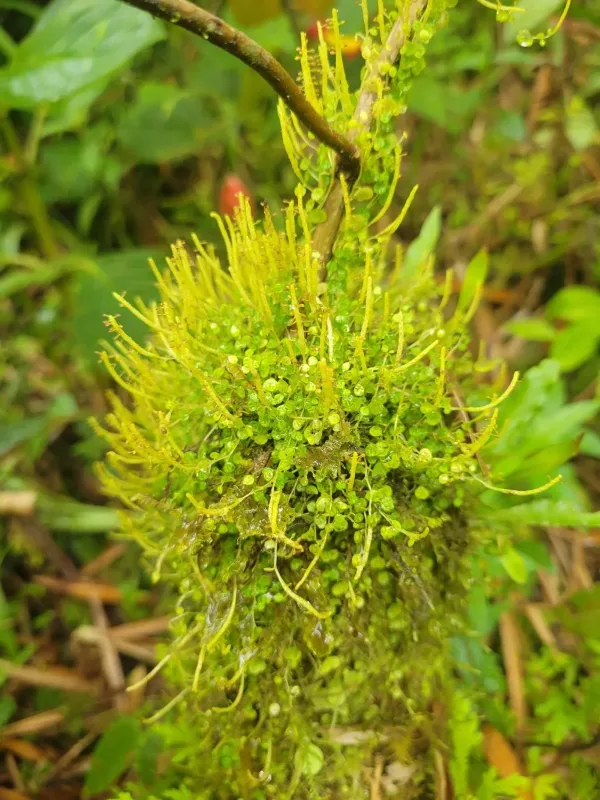
Peperomia emarginella is a miniature herbaceous perennial that belongs to the Piperaceae family. Native to the tropical regions of Central and South America, this species typically grows as an epiphyte, colonizing tree trunks or rock surfaces in humid environments where moisture is abundant throughout the year.
The plant is defined by its extremely small size, featuring creeping stems and delicate, fleshy leaves that often exhibit an obovate shape. Its compact growth habit and aesthetic appeal make it a highly sought-after species for specialty horticultural setups, particularly within humid terrariums and enclosed plant displays.
Cultivation requirements for this species focus heavily on maintaining a stable and warm climate, with temperatures ideally ranging between 20 to 25 degrees Celsius. It is highly sensitive to cold drafts and rapid temperature fluctuations, which can quickly compromise the plant's structural integrity.
A well-aerated, loose, and slightly acidic substrate is essential for the health of Peperomia emarginella. A recommended growing medium consists of finely chopped bark, peat moss, and perlite, which ensures efficient drainage while allowing the roots to access necessary hydration without suffocating.
Light requirements demand bright, indirect illumination, as direct exposure to harsh sun rays will scorch the fragile foliage. If the plant is kept in an indoor setting with low natural light, the use of supplemental LED lighting is recommended to maintain vigorous growth and healthy leaf coloration.
Main diseases and pests
The primary threats to Peperomia emarginella include various fungal pathogens, most notably root rot caused by waterlogged soil conditions. Ensuring a high-quality drainage system within the container is the most effective preventative measure against such diseases that target the plant's delicate root system.
Pests such as spider mites and mealybugs can pose a significant challenge, especially in environments where humidity levels are not consistently maintained at high levels. Regular inspection of the plant's foliage is critical to catching an infestation before it spreads to the entire cluster.
Environmental stress caused by using hard water with high mineral content can lead to soil salinization and foliage damage. To prevent these complications, it is advisable to use distilled or filtered water at room temperature for all irrigation activities to keep the pH levels balanced.
Poor ventilation within a growing area can promote the development of powdery mildew, particularly in the dense clusters of leaves common to this species. Enhancing air circulation and avoiding overhead watering can help mitigate the risks of surface-level fungal infections.
Proper plant hygiene, including the removal of any decaying organic matter or dead leaves, is essential for maintaining the health of the species. By adhering to strict sanitary practices, growers can ensure the longevity and decorative quality of this miniature tropical plant.