
Peperomia alata
Peperomia alata
Description
Growing requirements
Peperomia alata is a perennial herbaceous plant belonging to the Piperaceae family. Native to the tropical regions of Central and South America, it thrives in humid and shaded forest environments where the ambient humidity levels remain consistently high.
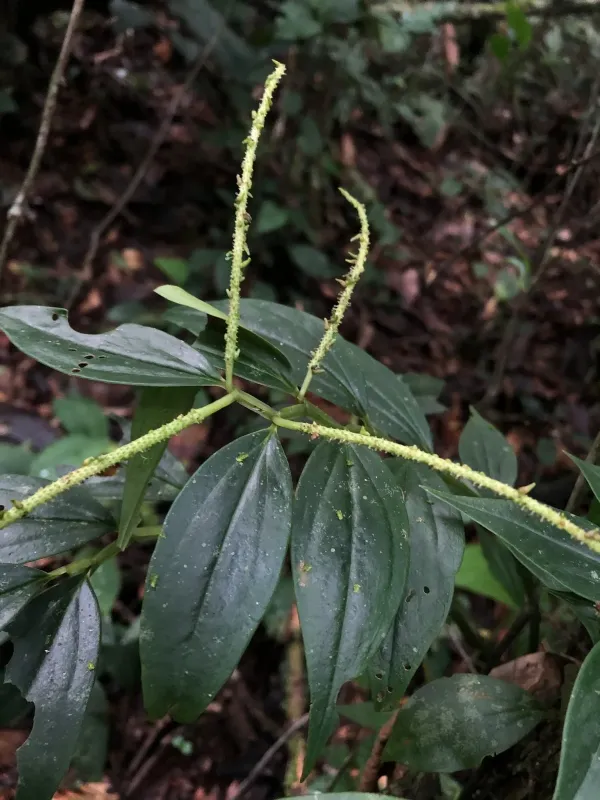
The botanical identity of this plant is defined by its succulent, fleshy stems featuring distinct wing-like structures, which serve as its primary identifying feature. The leaves are typically lance-shaped, exhibiting a deep green color, and in many cultivars, they display a reddish or purple tinge on the underside.
Regarding climate requirements, this species prefers temperatures between 18 and 25 degrees Celsius. It exhibits significant shade tolerance, making it an excellent candidate for indoor environments with moderate to bright indirect sunlight, while avoiding direct exposure to harsh solar radiation.
The soil should be well-draining, loose, and rich in organic matter. An ideal substrate for commercial or domestic cultivation consists of a mix of peat moss, leaf mold, and coarse sand or perlite, ensuring that oxygen reaches the roots while preventing waterlogging.
In terms of agricultural and commercial use, Peperomia alata is highly valued in the ornamental plant industry. Its unique structural features and ease of propagation make it a staple in interior design, landscaping for offices, and boutique nursery production.
Main diseases and pests
Common pests associated with this crop include mealybugs, spider mites, and aphids. Infestations are usually triggered by environmental stress, such as low humidity or improper ventilation, and can be managed through biological controls or targeted insecticidal applications.
The primary pathological threats include root rot and fungal leaf spots caused by excessive irrigation or high moisture content in the potting mix. To maintain plant health, it is essential to allow the surface soil to dry slightly between watering cycles to maintain a healthy root system.