
Peperomia arifolia
Peperomia arifolia
Description
Growing requirements
Peperomia arifolia is a perennial herbaceous plant belonging to the Piperaceae family. Originating from the tropical regions of South America, this species has adapted to the understory conditions of dense forests.
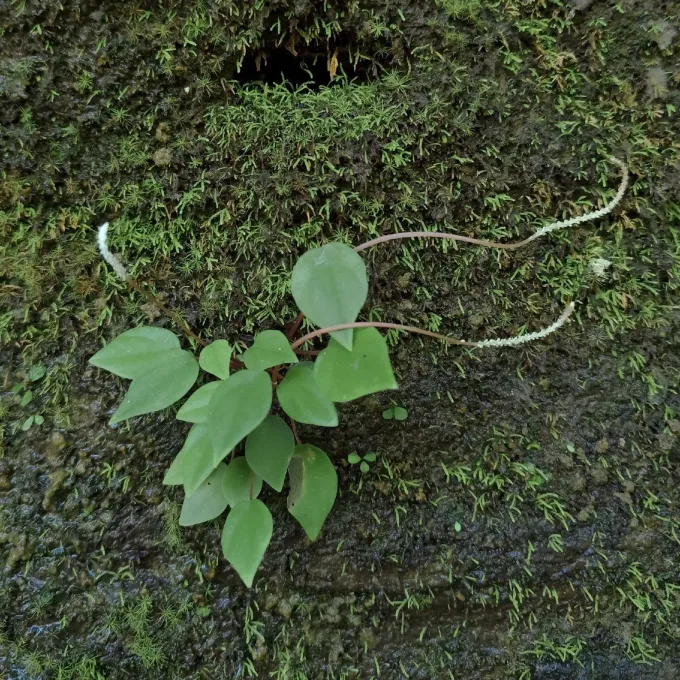
Botanically, it is characterized by its succulent, heart-shaped leaves that feature distinct silvery-gray markings along the venation. The plant maintains a compact growth habit, making it suitable for controlled indoor environments.
To thrive, the plant requires bright, indirect sunlight, as direct exposure can scorch the leaf surface. A stable climate with temperatures ranging between 20 and 25 degrees Celsius is essential for optimal vegetative growth.
Soil requirements focus on high aeration and moisture retention without the risk of waterlogging. A mixture consisting of peat, leaf mold, and perlite or coarse sand provides the necessary structure for healthy root development.
The agricultural management focuses on careful irrigation practices, allowing the substrate to partially dry out between waterings. Maintaining consistent environmental humidity is vital for the health of the foliage, especially during drier seasons.
Main diseases and pests
The main pests affecting the crop include mealybugs and spider mites, which typically target the undersides of the leaves. Systematic monitoring and prompt application of horticultural soaps or pesticides are recommended for control.
Pathogenic threats usually stem from overwatering, which facilitates the growth of root rot organisms such as Pythium. Proper drainage management remains the most effective prophylactic measure to prevent systemic infection and plant loss.