
Peperomia congesta
Peperomia congesta
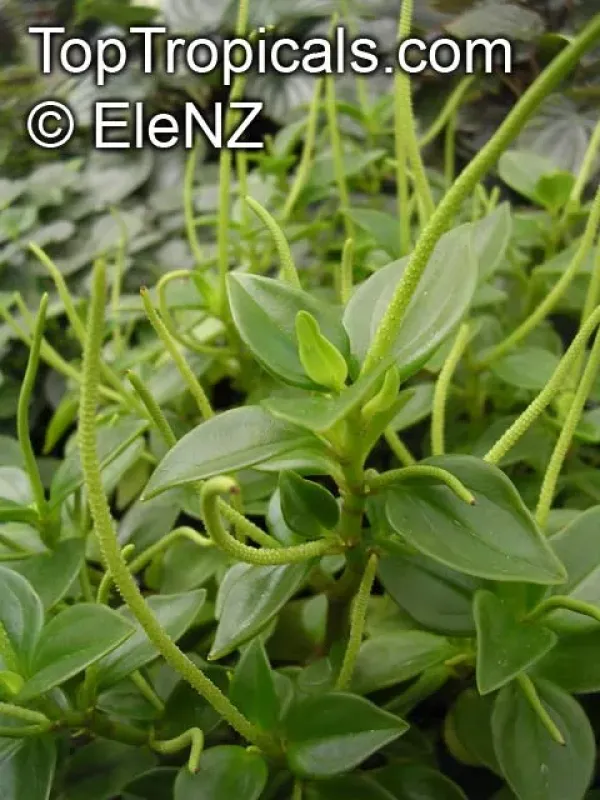
Description
Growing requirements
Peperomia congesta is a perennial succulent plant belonging to the Piperaceae family. It originates from the tropical regions of South America, where it typically grows in the understory of forests, adapting to stable, humid conditions.
The botanical structure of the plant features fleshy, densely packed leaves that enable it to store moisture during dry spells. This compact growth habit makes it a popular species for commercial greenhouse cultivation and indoor displays.
Growing requirements include well-draining soil, specifically a mixture of peat, perlite, and coarse sand. A loose soil structure is essential to prevent water accumulation around the root system, which is highly susceptible to suffocation.
The plant thrives in temperatures between 20°C and 25°C. It requires a bright, indirect light environment, as direct sun exposure can scorch the foliage, while low light leads to elongated stems and loss of the characteristic compact rosette.
Irrigation must be performed carefully; the soil should reach a state of partial dryness between waterings. This "soak and dry" method ensures that the roots receive sufficient oxygen, which is vital for maintaining healthy growth and vibrant leaves.
Main diseases and pests
Common pests associated with Peperomia congesta include mealybugs and spider mites. These insects thrive in dry environments and often cluster in the dense spaces between leaves, making them difficult to detect early.
Fungal diseases, primarily root rot, represent the most significant threat to the plant's survival. This condition is almost exclusively caused by overwatering or the use of poorly drained, heavy substrate that traps moisture.
Effective management strategies include the regular inspection of the foliage and maintaining proper air circulation in the growing space. Reducing overhead watering can also significantly decrease the risk of fungal leaf infections.
If an infestation or infection is identified, immediate isolation of the affected specimen is necessary to prevent the spread to other crops. Mechanical removal or mild, targeted treatments are often sufficient if the problem is caught early.
Consistent environmental monitoring is essential. Keeping the plant within its optimal temperature and humidity parameters remains the most effective form of preventative care against biological threats.