
Peperomia ferreyrae
Peperomia ferreyrae
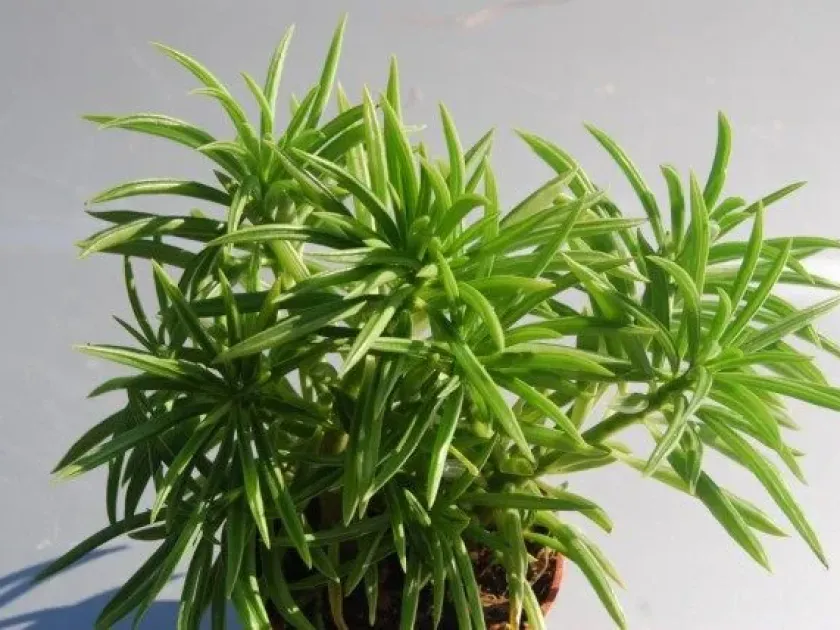
Description
Growing requirements
Peperomia ferreyrae is a distinctive succulent member of the Piperaceae family. Originating from the tropical regions of Peru, this plant has adapted to thrive in environments with dappled sunlight and moderate humidity levels.
The plant is known for its unique, bean-like, folded leaves which give it the common nickname Happy Bean. It develops sturdy, succulent stems that efficiently store moisture, allowing the plant to tolerate occasional periods of dryness.
Proper lighting is essential for this culture. It requires bright, indirect light to maintain its compact growth habit. Exposure to harsh, direct sunlight may scorch the foliage, while insufficient light leads to leggy stems and loss of color intensity.
The ideal temperature range for Peperomia ferreyrae is between +20°C and +25°C. It is sensitive to cold drafts and sudden temperature fluctuations, which can trigger leaf drop and inhibit the overall development of the plant.
A well-draining soil mix is critical for this species. A standard succulent potting mix, amended with extra perlite or pumice to improve aeration and drainage, is recommended to prevent the roots from sitting in stagnant water.
Main diseases and pests
Root rot, caused by overwatering and poor drainage, is the primary threat to the health of Peperomia ferreyrae. It is vital to allow the top layer of the soil to dry out completely between watering cycles to ensure root health.
Common pests include mealybugs and spider mites, which can thrive in low-humidity environments. These pests feed on the plant's sap, potentially causing yellowing of the foliage and significant stunted growth over time.
To control pest infestations, it is recommended to use insecticidal soap or specific systemic pesticides. Regular monitoring of the underside of the leaves is a necessary practice for early detection and mitigation of potential outbreaks.
Fungal issues, such as leaf spot, can occur if the plant is kept in an area with stagnant air and high humidity. Improving air circulation around the plant is a simple yet effective way to prevent these types of infections.
General maintenance should include cleaning the leaves with a damp cloth to ensure proper photosynthesis and checking the pot's drainage holes regularly to prevent them from becoming clogged by sediment or root growth.