
Peperomia urocarpa
Peperomia urocarpa
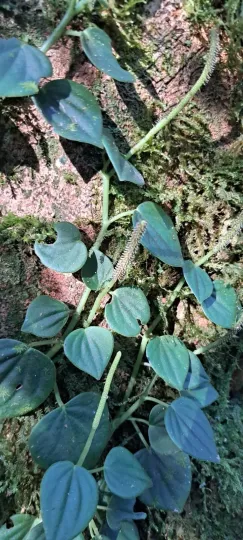
Description
Growing requirements
Peperomia urocarpa is a herbaceous perennial belonging to the Piperaceae family. Originating from the tropical regions of South America, this species has adapted to the understory of dense forests, where it thrives in shaded and humid environments.
Botanically, the plant is recognized for its fleshy, textured leaves and unique inflorescences. The stems often feature fine pubescence, which serves as a key identifying characteristic distinguishing it from other species within the genus Peperomia.
For optimal growth, the species requires a stable temperature range between 18°C and 25°C. It is sensitive to rapid temperature fluctuations and cold drafts, which can negatively affect its vegetative development and overall health.
The soil must be well-draining, loose, and slightly acidic. A successful growing medium usually consists of a blend of peat, leaf mold, and perlite, ensuring that the roots have adequate oxygenation while retaining necessary moisture levels.
In terms of agricultural and commercial application, this plant is cultivated as an ornamental indoor crop. It is highly valued in the nursery industry for its aesthetic appeal in interior design, terrariums, and botanical compositions.
Main diseases and pests
Fungal pathogens represent the primary threat to the health of Peperomia urocarpa, often stemming from improper irrigation practices. Root rot is the most common issue, typically induced by waterlogged soil conditions and poor ventilation.
Pest infestations, particularly by spider mites and mealybugs, can be problematic in indoor environments with low humidity. These pests tend to colonize the undersides of leaves and leaf axils, causing significant damage if left untreated.
Effective management includes maintaining a clean growing area and inspecting plants for early signs of distress. If a pest outbreak occurs, the use of insecticidal soap or specialized systemic treatments is recommended for immediate control.
Cultural prevention is the most effective tool in mitigating threats. This includes keeping the foliage clean, providing proper spacing to encourage airflow, and ensuring that the top layer of the soil is allowed to dry slightly between waterings.
By monitoring the plant's health and adjusting care routines based on seasonal changes, cultivators can protect the plant from common disorders. Routine repotting and substrate aeration are vital for maintaining long-term vitality.