
Peperomia tetragona
Peperomia tetragona
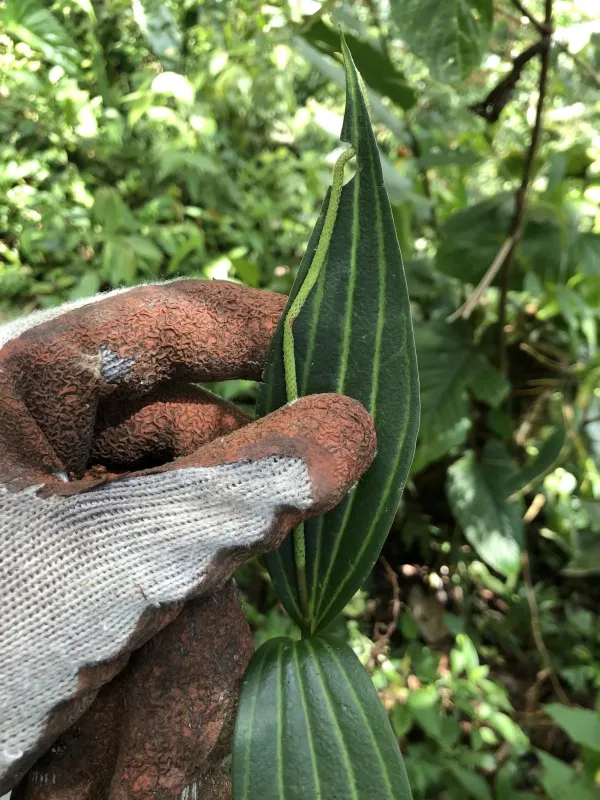
Description
Growing requirements
Peperomia tetragona is a succulent-like plant belonging to the Piperaceae family. Originating from the tropical regions of South America, it has gained popularity as a decorative indoor plant due to its unique architectural growth.
The plant is distinguished by its succulent, four-angled stems and ovate leaves with distinct light green longitudinal stripes. These structural adaptations allow the species to store water efficiently, making it relatively drought-tolerant compared to other foliage plants.
Optimal growth conditions require bright, indirect light. Excessive direct sunlight can scorch the leaves, while insufficient light causes the internodes to stretch, leading to a weak and leggy appearance of the plant stems.
A well-draining soil mix is critical for this species. A combination of peat-based substrate with added perlite or coarse sand provides the aeration necessary for healthy root development and prevents water stagnation in the root zone.
Temperature management is straightforward, as the plant thrives in standard indoor temperatures between 18 and 26 degrees Celsius. It should be protected from cold drafts and sudden temperature fluctuations, which can trigger leaf drop.
Main diseases and pests
Mealybugs are the most common pest affecting Peperomia tetragona. They typically hide in the leaf axils, making early detection difficult; consistent manual monitoring and the use of insecticidal soaps are recommended control measures.
Root rot caused by overwatering is a significant threat to the plant's health. To mitigate this risk, one should only water when the substrate is partially dry and ensure that the pot features adequate drainage holes to prevent standing water.