
Peperomia tenella
Peperomia tenella
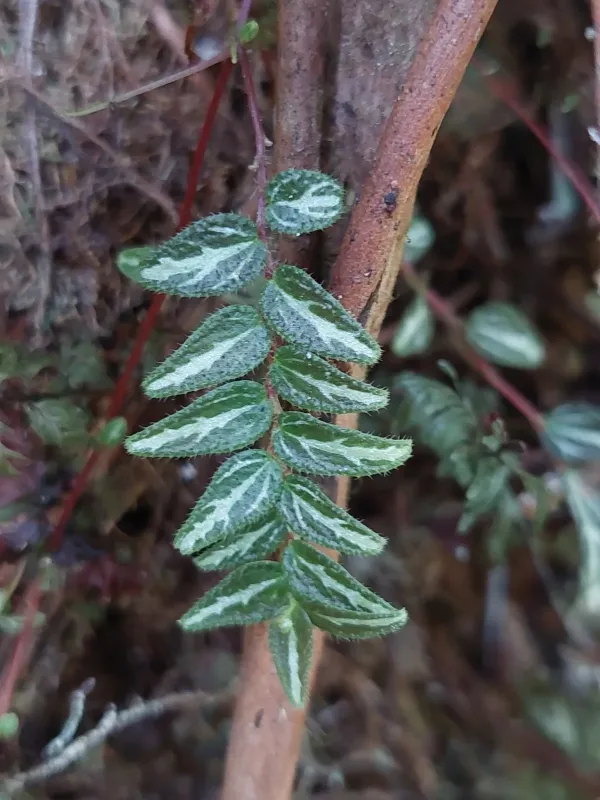
Description
Growing requirements
Peperomia tenella is a delicate herbaceous plant belonging to the Piperaceae family. In its natural habitat, it typically thrives as an epiphyte, colonizing tree trunks, branches, or moist rocky substrates within the tropical rainforests of Central and South America.
The plant is characterized by its slender, trailing stems that possess the ability to root at the nodes upon contact with a suitable growing medium. Its leaves are small, often rounded or elliptical, providing a lush and vibrant appearance that makes it a favorite for ornamental indoor gardening.
To ensure healthy development, Peperomia tenella requires an environment that mimics tropical conditions, specifically emphasizing consistent warmth and high ambient humidity. The ideal temperature range for this species is between 20°C and 25°C, as it is highly sensitive to cold drafts and extreme fluctuations.
The substrate must be exceptionally light, porous, and well-draining to support the needs of an epiphyte and prevent root rot. A high-quality mix typically includes peat moss, perlite, and orchid bark or chopped sphagnum, which allows for optimal aeration around the fine root system.
In terms of agricultural and horticultural use, this plant is cultivated strictly for ornamental purposes. It is frequently featured in terrariums, vivariums, and hanging baskets, where its trailing habit can be fully appreciated, making it a staple in modern biophilic interior design.
Main diseases and pests
The most significant threat to Peperomia tenella is waterlogged soil, which quickly leads to crown and root rot. Because the plant naturally grows in well-drained environments, excessive moisture prevents oxygen from reaching the roots, causing the stems to become mushy and eventually die off.
Pests such as mealybugs and spider mites are common enemies, particularly in dry indoor settings. These pests thrive in stagnant air and can rapidly colonize the undersides of the leaves, sucking the plant's sap and causing yellowing, wilting, and overall decline if left untreated.
Scale insects can also infest the stems, creating small, hard bumps that weaken the plant over time. Regular monitoring and physical removal of these pests, combined with appropriate insecticidal soap or horticultural oil treatments, are necessary to maintain the plant's health.
Disease prevention relies heavily on maintaining a proper watering schedule, allowing the top layer of the soil to dry out slightly before the next irrigation. Ensuring good air circulation around the foliage is essential to prevent the development of powdery mildew and other fungal pathogens.
If fungal infections appear, infected plant tissue should be pruned immediately using sterilized tools, followed by the application of a systemic fungicide if required. For severely weakened plants, propagating healthy stem cuttings in a fresh, sterile medium is often more effective than attempting recovery.