
Peperomia serpens
Peperomia serpens
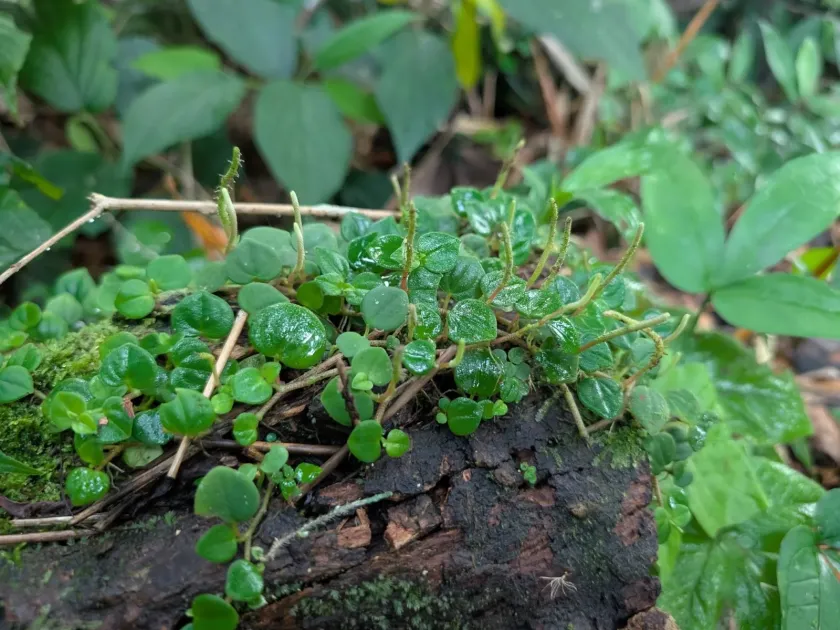
Description
Growing requirements
Peperomia serpens is a versatile member of the Piperaceae family, naturally found in the tropical rainforests of Central and South America. It is characterized by its trailing, vine-like stems and heart-shaped, succulent-like leaves, making it a popular choice for indoor horticulture.
This species thrives in environments with bright, indirect light. While it can tolerate lower light levels, excessive shade may result in leggy stems and loss of leaf coloration. Direct afternoon sunlight should be avoided to prevent scorching the delicate foliage.
Regarding climate, the plant prefers warm conditions ranging between 20°C and 25°C. It is highly sensitive to cold drafts and sudden drops in temperature, which can stress the plant and lead to significant leaf drop if left exposed for extended periods.
The substrate must be well-draining, typically consisting of a mix of peat, perlite, and coarse sand. Peperomia serpens does not tolerate "wet feet," so ensuring that the pot has adequate drainage holes is essential for healthy root development and overall plant vitality.
Watering should be performed carefully, allowing the top inch of soil to dry out between applications. During the active growing season, high humidity is beneficial, though the plant is generally adaptable to average household humidity levels compared to other tropical species.
Main diseases and pests
The most common pests affecting this culture are mealybugs and spider mites, particularly in environments with poor air circulation. Regular cleaning of the leaves and checking for signs of infestation can help manage populations before they cause structural damage.
Fungal issues, primarily root rot, are the most significant threat to the health of the plant. These are usually caused by overwatering or using a heavy, compacted potting mix that fails to allow oxygen to reach the root zone, leading to rapid tissue decay.