
Peperomia rotundilimba
Peperomia rotundilimba
Description
Growing requirements
Peperomia rotundilimba is an ornamental plant belonging to the Piperaceae family. It originates from the tropical regions of South America, where it typically grows in the understory of dense forests under filtered sunlight.
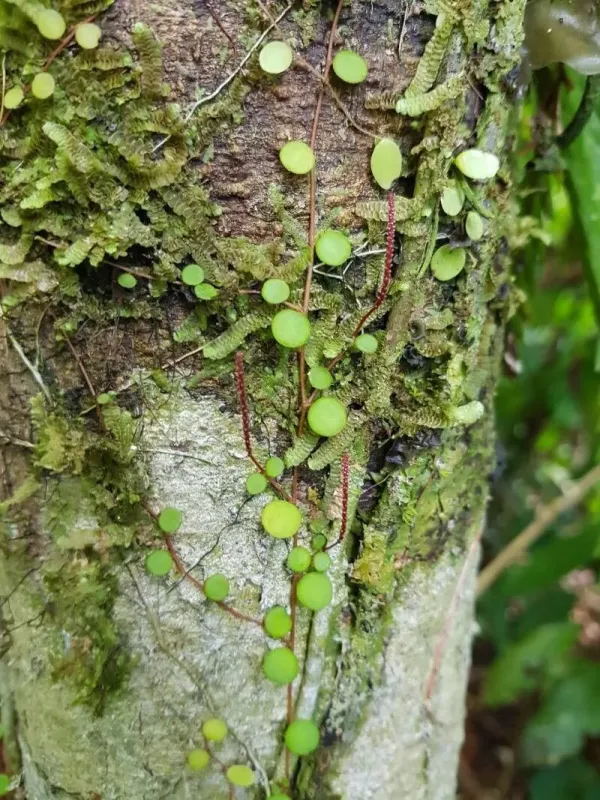
The plant is botanically characterized by its thick, succulent, and rounded leaves, which serve as water-storage organs. It maintains a compact growth habit, making it an ideal candidate for container gardening and interior decoration.
Successful cultivation requires a stable temperature range between 20 and 25 degrees Celsius. It is highly sensitive to cold drafts and rapid temperature fluctuations, which can negatively affect its physiological processes.
The soil substrate must be light, well-draining, and rich in organic matter to prevent waterlogging. A mixture consisting of peat, leaf mold, and perlite or sand is generally recommended for optimal root aeration.
In terms of economic use, this species is primarily valued in the ornamental plant trade. Its ability to thrive in indoor settings and its aesthetic appeal make it a popular choice for both residential and commercial interior design.
Main diseases and pests
The most significant threat to the health of Peperomia rotundilimba is overwatering. Excessive moisture in the root zone quickly leads to root rot, which can cause the plant to collapse due to the succulent nature of its stems.
Common pests that target this crop include spider mites, mealybugs, and scale insects. These organisms pierce the leaves to feed on plant sap, causing yellowing, leaf drop, and overall loss of ornamental value.
Disease management involves improving cultural practices, particularly by allowing the top layer of soil to dry out between waterings. If fungal spots appear on the leaves, infected parts must be pruned immediately.
Pest control is achieved through regular inspections and the application of appropriate systemic insecticides or horticultural oils when infestations are detected. Maintaining clean foliage by wiping dust off is also beneficial.
Overall, a balanced environment with sufficient light and proper air circulation significantly reduces the risk of pest attacks and fungal infections, ensuring the plant remains healthy and vibrant.