
Peperomia retusa
Peperomia retusa
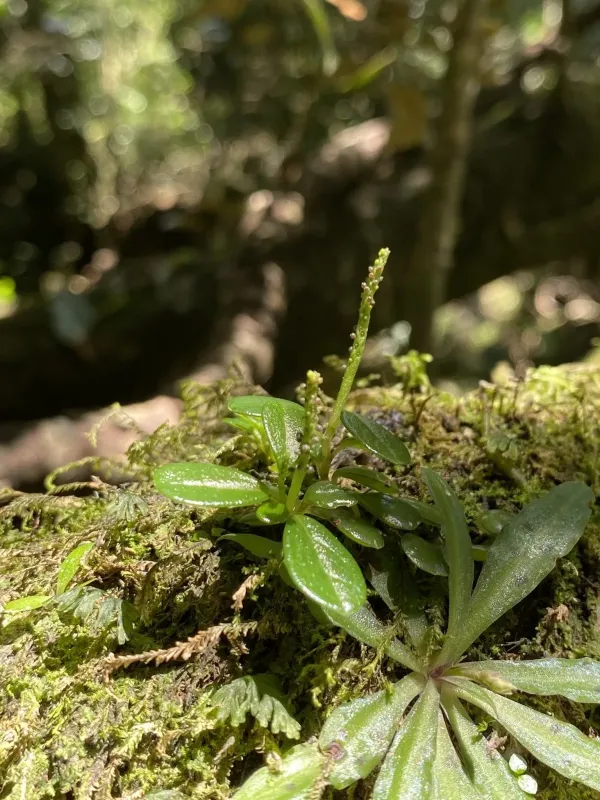
Description
Growing requirements
Peperomia retusa is a distinctive species within the Piperaceae family, known for its succulent-like leaves and semi-epiphytic nature. Originating from the tropical regions of South America, it has adapted to thrive in environments with dappled light and consistent humidity, often found growing in the crevices of trees or mossy rocks.
The plant is characterized by its thick, fleshy foliage that functions as a water storage system. Its compact growth habit and resilient nature make it an excellent choice for indoor cultivation, as it can withstand the variable conditions typically found in domestic environments if managed correctly.
Optimal growth requires bright, indirect light to maintain the plant's structural integrity and leaf coloration. Direct exposure to intense sunlight should be avoided to prevent scorched foliage, while low light levels may lead to etiolation and a loss of the plant's characteristic compact aesthetic.
Regarding soil requirements, the substrate must be highly porous and well-draining. A professional-grade mix combining peat, perlite, and pine bark is ideal for providing the necessary aeration to prevent root hypoxia. Ensuring the container has adequate drainage holes is mandatory for the health of the plant.
Agronomic maintenance involves a "dry-between-waterings" approach, preventing root rot. Water should be applied sparingly, especially during the dormant season, while maintaining a stable ambient temperature between 18 and 24 degrees Celsius throughout the year to ensure steady, year-round development.
Main diseases and pests
The primary pests targeting Peperomia retusa include mealybugs and spider mites, which thrive in environments with low humidity. Regular inspection of the undersides of the leaves is critical for early detection, followed by the application of horticultural soap or neem oil if infestations occur.
Disease management focuses largely on preventing pathogens like Pythium and Rhizoctonia, which cause root and stem rot. These issues are almost exclusively associated with over-irrigation and poor drainage, requiring strict adherence to moisture management protocols and the use of clean, pathogen-free growing media.