
Peperomia pereskiifolia
Peperomia pereskiifolia
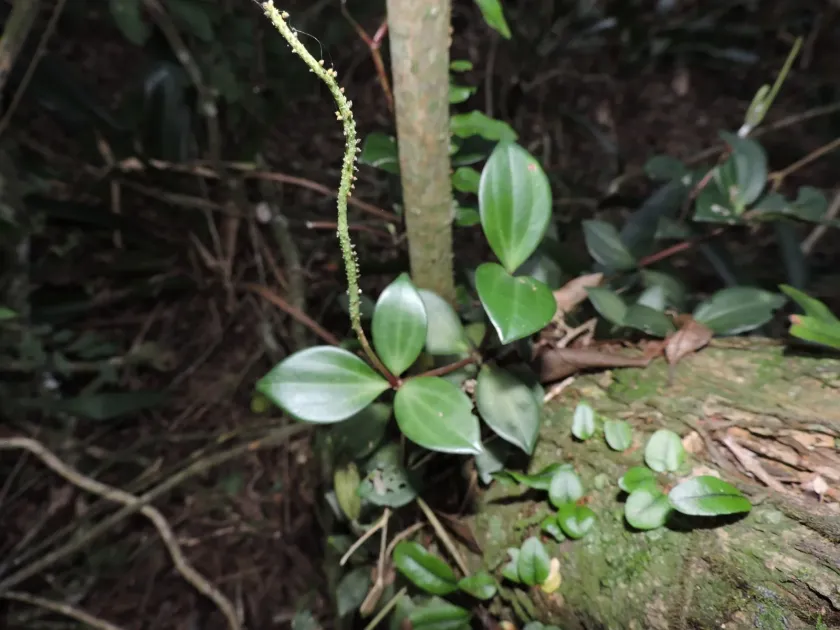
Description
Growing requirements
Peperomia pereskiifolia is a tropical species belonging to the Piperaceae family. It is native to the rainforest regions of Central and South America, where it primarily grows in the understory layer, adapting to low-light and high-humidity environments.
Botanically, this plant is characterized by its succulent, ovate-lanceolate leaves arranged in whorls along fleshy, often reddish stems. Its unique growth pattern allows it to be used effectively as a trailing or semi-trailing ornamental in controlled environments.
Optimal growth requires bright, indirect sunlight. Excessive direct radiation can scorch the foliage, while insufficient light leads to stem elongation and reduced vigor. Maintaining a consistent temperature between 68°F and 77°F (20–25°C) is crucial for metabolic stability.
The substrate should be well-draining, consisting of a mix of peat moss, perlite, and coarse bark to ensure adequate aeration. Peperomia pereskiifolia is highly susceptible to root asphyxiation if the soil medium remains compacted or saturated for extended periods.
Water management must follow a cycle of drying out. Allow the top inch of the growing medium to dry before re-watering. During the dormant winter season, irrigation frequency should be significantly reduced to avoid physiological stress and potential fungal pathogen outbreaks.
Main diseases and pests
The primary pests affecting this crop include mealybugs and spider mites. These insects tend to colonize the underside of the leaves and the stem nodes, necessitating regular scouting and the application of insecticidal soaps or systemic treatments when infestation occurs.
Disease incidence is predominantly linked to overwatering, which predisposes the plant to various root rots, such as Pythium or Phytophthora. Ensuring a sterile growing environment and practicing good sanitation are the most effective management strategies for long-term health.