
Peperomia pellucida
Peperomia pellucida
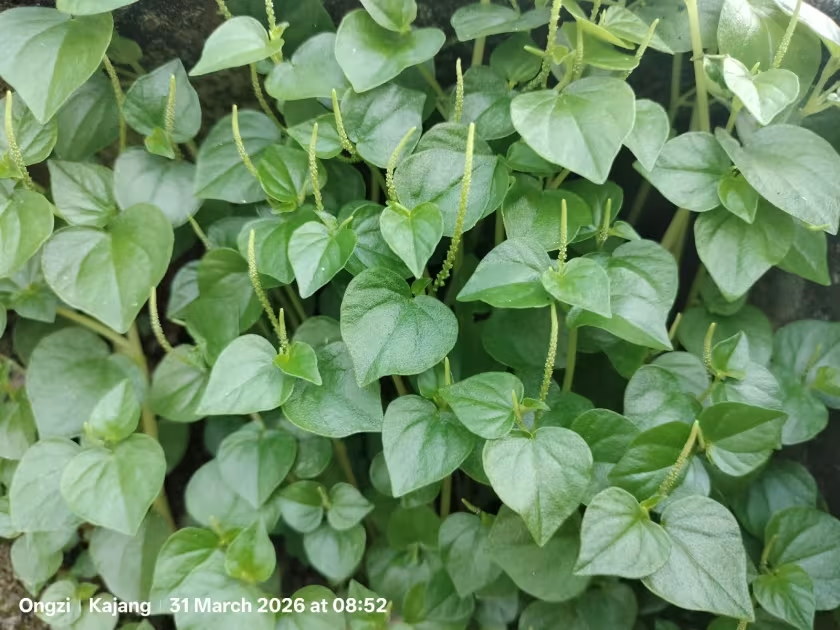
Description
Sowing dates
Peperomia pellucida, a member of the Piperaceae family, is a herbaceous annual plant commonly found in tropical and subtropical regions across the globe.
Sowing is typically performed by scattering tiny seeds onto a moist, organic-rich soil surface. The seeds do not require deep burial due to their small size.
Germination is rapid, usually occurring within 10 to 14 days, provided that the environment remains warm and consistently humid during the development phase.
The plant demonstrates natural invasive potential in favorable tropical climates, often propagating through self-seeding in shaded garden areas.
For controlled agricultural production, using light, well-draining substrates ensures optimal germination rates and prevents the loss of delicate seedlings to dampening-off.
Growing requirements
This species thrives in partial shade conditions, as intense direct sunlight can easily damage its succulent leaves and inhibit vegetative growth.
The ideal temperature for development ranges from 20 to 28 degrees Celsius; the plant is extremely frost-sensitive and requires a frost-free environment.
Maintaining high soil moisture and ambient humidity is crucial, simulating the humid floor of tropical forests where the plant naturally resides.
Soil composition should include a high percentage of leaf mold or peat, ensuring good aeration and allowing roots to breathe without waterlogging.
Consistent watering with soft, non-chlorinated water is recommended to keep the plant vigorous and maintain its characteristic succulent texture.
Yield
The biomass yield of Peperomia pellucida is highly dependent on light intensity, temperature stability, and the frequency of moisture application.
In optimal conditions, the plant forms dense mats that can be harvested multiple times throughout a single growing season if managed correctly.
Farmers can expect a sustainable yield of green matter, which is often utilized for medicinal infusions or as a culinary vegetable in various tropical cultures.
Efficiency increases with rotational harvesting, allowing the plant to regrow from nodes after the initial top-tier harvest has been completed.
Hand-harvesting remains the most effective method, as it prevents crushing the fragile stems and ensures a higher quality of the harvested product.
Main diseases and pests
Fungal infections, such as root rot and stem blight, represent the most significant threat to the culture when exposed to poor drainage or stagnant air.
Mealybugs and spider mites are the primary pests that affect the plant, particularly in greenhouse settings with restricted ventilation and dry air.
Nematode infestation in the root zone can cause stunted growth and yellowing of the leaves, requiring sterile soil management for effective control.
Biological control methods are highly recommended to keep pest populations at bay, ensuring the safety of the leaves for human consumption or medicinal use.
Regular field scouting is essential to identify early signs of pathogen outbreaks, allowing for targeted intervention before large-scale damage occurs.
Harvesting
Harvesting is typically performed once the plants have attained a height of 15 to 30 centimeters, ensuring the leaves are fully developed and flavorful.
Post-harvest handling requires quick transport and cleaning, as the succulent stems tend to dehydrate or bruise easily if not processed correctly.
The leaves are widely valued for their crisp texture and mild, spicy taste, often serving as a key ingredient in local traditional salads and soups.
For pharmaceutical purposes, the plant is dried in shaded, ventilated areas to preserve its bioactive compounds and prevent fermentation of the leaves.
Quality control after harvest is centered on the color and structural integrity of the leaves, which should appear fresh and free from wilting or blemishes.