
Peperomia nivalis
Peperomia nivalis
Description
Growing requirements
Peperomia nivalis is a succulent plant belonging to the Piperaceae family. Originating from the mountainous regions of Peru, this species has evolved to survive in rocky, nutrient-poor soils and semi-arid environments where water retention is vital for survival.
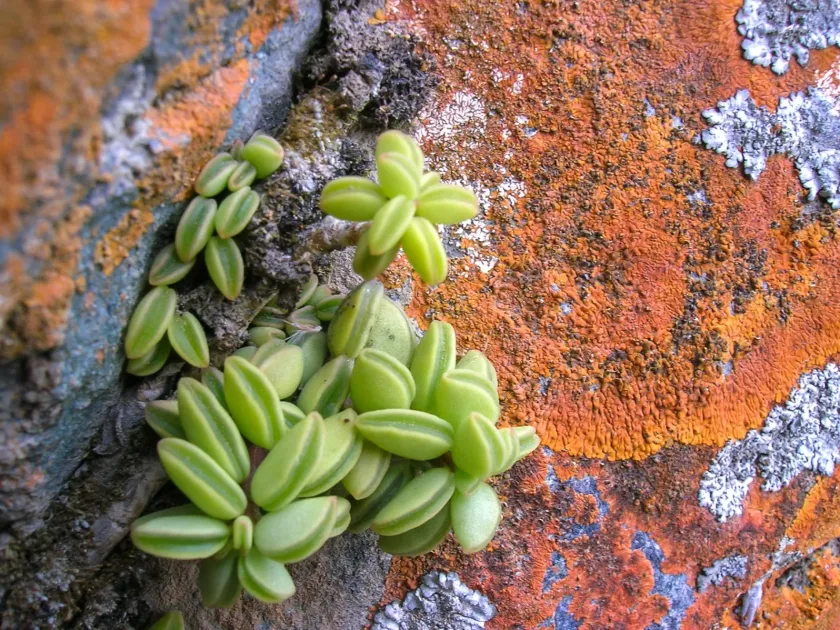
The primary botanical feature of this culture is its uniquely shaped leaves. They are thick, fleshy, and folded inwards along the central midrib, resembling a small boat. This morphology significantly reduces the surface area exposed to the sun, helping the plant manage transpiration effectively.
Agricultural requirements for Peperomia nivalis center on soil aeration and drainage. A standard mix should include pumice, coarse sand, and a small portion of peat-based potting soil. Compact, heavy soils must be avoided to prevent asphyxiation of the delicate root system.
The plant thrives in bright, filtered light conditions. While it is a succulent, it does not require intense, direct desert sun. Instead, it prefers a stable environment where light is abundant enough to maintain the plant's dense growth pattern and vibrant color.
Temperature management is crucial: during the active growth phase, temperatures between 18°C and 25°C are ideal. In winter, the plant undergoes a dormant phase and benefits from slightly cooler temperatures and very infrequent irrigation to mimic its natural environment.
Main diseases and pests
The most significant threat to the health of Peperomia nivalis is the development of fungal rot. This is almost exclusively triggered by overwatering or the use of improper potting media that retains excessive moisture for too long, leading to root decay.
Pests such as mealybugs are the most common issue. They tend to settle in the tight folds of the leaves, making them difficult to spot in the early stages of infestation. Regular inspection is required to maintain the quality of the plant.
Spider mites represent a secondary threat, particularly when the ambient air becomes extremely dry. These pests cause discoloration and surface stippling on the leaves. Increasing humidity or using specific miticides is recommended for control.
Proper hygiene during plant handling is essential. Using sterilized tools for propagation and ensuring good air circulation around the plants helps prevent the spread of bacterial or fungal pathogens that can be detrimental to the succulent's longevity.
The use of balanced, diluted fertilizers during the growing season is recommended, but over-fertilization can lead to weak tissue growth that is more susceptible to pest attacks.
- Monitor for leaf yellowing.
- Check soil moisture frequently.
- Quarantine new additions.