
Peperomia nitida
Peperomia nitida
Description
Growing requirements
Peperomia nitida is a perennial plant belonging to the Piperaceae family. Native to the tropical regions of Central and South America, this species is widely appreciated in floriculture for its robust growth and attractive foliage.
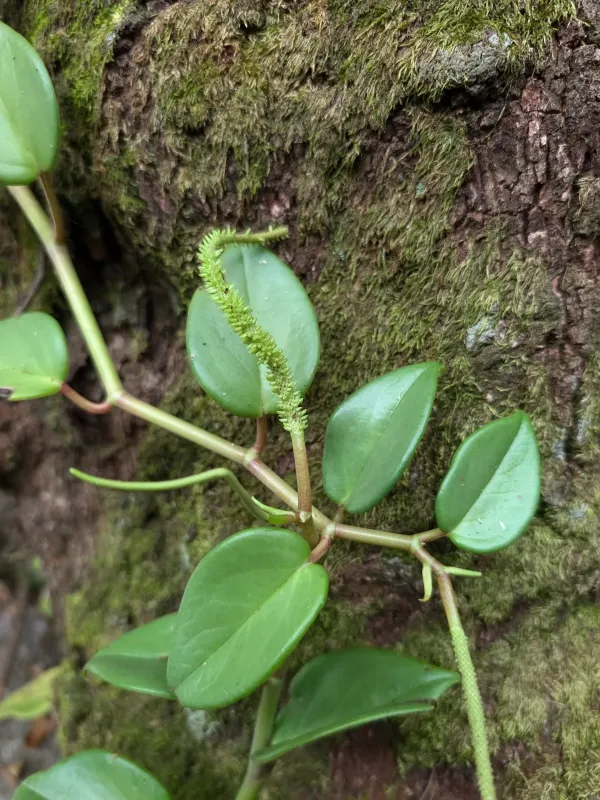
The botanical structure of the plant features fleshy stems and glossy, oval-shaped leaves that possess a high level of moisture retention. These physical traits are an evolutionary adaptation to the dappled light and humid environment of tropical forest floors.
The cultivation requirements focus on providing a stable temperature between 18°C and 25°C. Exposure to sudden cold drafts or extreme temperature fluctuations should be strictly avoided to prevent premature leaf drop and stunted vegetative growth.
The soil profile for this crop should be well-drained and slightly acidic. A mix consisting of peat, perlite, and bark is ideal for maintaining the necessary soil aeration and preventing the waterlogging of the sensitive root system.
Regarding light conditions, Peperomia nitida thrives in bright, indirect sunlight. Direct sun exposure is detrimental as it may cause chlorosis and leaf burn, significantly reducing the commercial and aesthetic value of the plant.
Main diseases and pests
The most common disease affecting the crop is root rot, typically caused by overwatering or poor drainage. To prevent this, strict adherence to a watering schedule based on soil moisture levels is necessary throughout the growing season.
Common pests include mealybugs and spider mites, which can be managed through regular monitoring and appropriate horticultural oils or insecticides. Maintaining correct humidity levels acts as a natural deterrent against many small mite populations.