
Peperomia nigropunctata
Peperomia nigropunctata
Description
Growing requirements
Peperomia nigropunctata belongs to the diverse Piperaceae family. Originating from the tropical regions of the Americas, it has evolved into a popular ornamental plant due to its unique leaf pattern and adaptability to indoor environments.
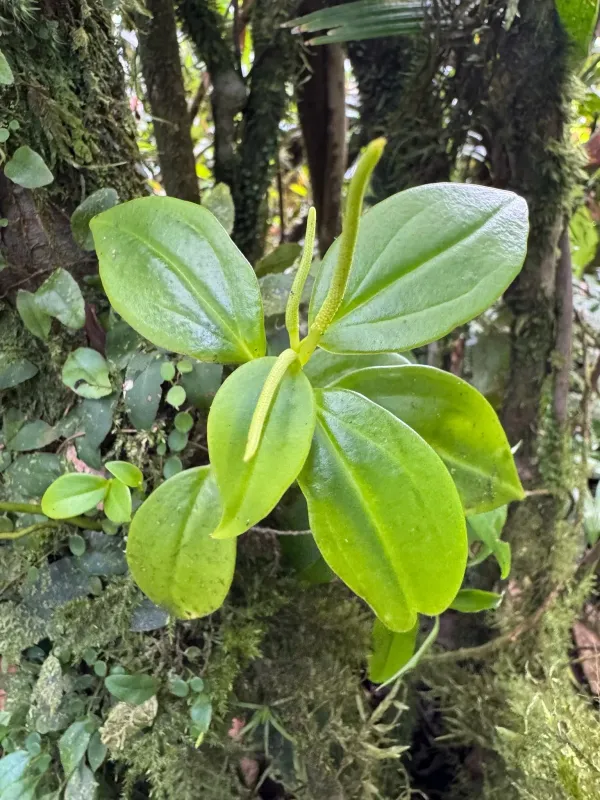
Botanically, the plant is characterized by its succulent-like leaves featuring distinct dark spots, which are embedded in the leaf tissue. Its growth habit is typically bushy and compact, making it a staple for interior decoration and terrariums.
The culture thrives in warm climates, ideally between 20°C and 25°C. It requires bright, indirect sunlight to maintain its variegation and structural integrity, as intense direct sun can scorch the foliage and cause permanent damage.
Soil requirements for this species include a well-draining, porous substrate. A mix consisting of peat moss, perlite, and bark is highly recommended to ensure adequate oxygen circulation around the root zone, preventing asphyxiation.
Proper agro-techniques involve a balanced watering regime. It is crucial to allow the substrate to dry out partially between waterings to prevent root decay. The plant also benefits from moderate humidity levels and avoids extreme cold drafts.
Main diseases and pests
The most significant threats to Peperomia nigropunctata include various fungal pathogens such as Pythium and Phytophthora, which flourish in over-watered or poorly drained soils. These pathogens cause stem base rotting.
Mealybugs represent a major insect pest risk for this species. These insects cluster in leaf axils and crevices, secreting a waxy substance that acts as a shield, making manual removal and chemical control more difficult.
Spider mites are common in low-humidity environments. These microscopic pests feed on the underside of leaves, causing stippling patterns, leaf discoloration, and eventual defoliation if left unchecked.
Effective plant protection strategies focus on maintaining high sanitation standards. Removing dead leaves and ensuring proper airflow around the plant significantly reduces the colonization rate of pests and spores.
If an infestation occurs, treating with insecticidal soap or specific systemic pesticides is advised. Always follow label instructions and ensure the plant is placed in a suitable, bright spot to aid its recovery from any chemical treatments.