
Peperomia molleri
Peperomia molleri
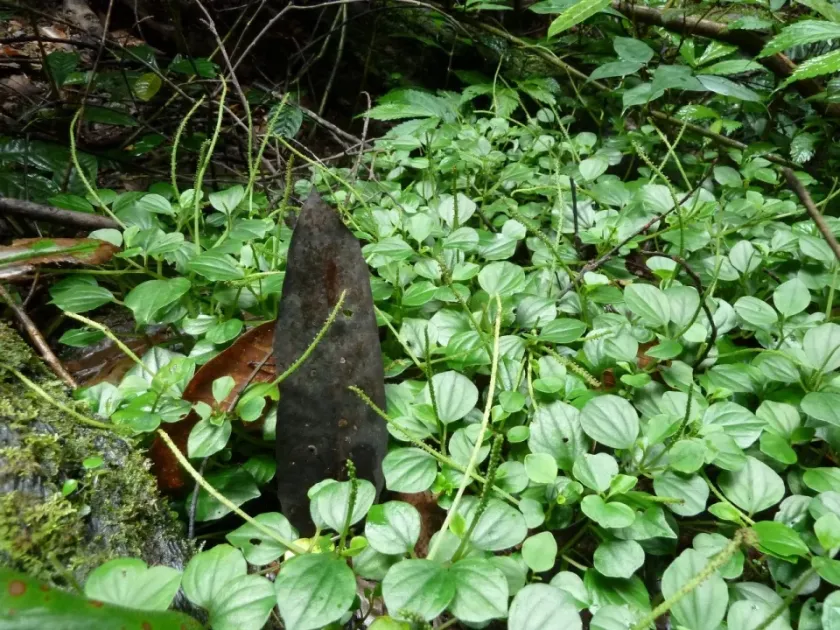
Description
Growing requirements
Peperomia molleri is a distinctive member of the Piperaceae family, originating from tropical regions where it thrives under forest canopies. This herbaceous perennial is well-adapted to container cultivation due to its compact and stable growth habit.
The plant features thick, succulent-like leaves which act as water storage organs. This physiological adaptation allows the species to endure slight fluctuations in hydration, provided the root zone remains in a healthy, aerobic state.
Lighting requirements for Peperomia molleri focus on bright, indirect light. Excessive exposure to direct sunlight leads to leaf scorching and loss of vigor, whereas insufficient light causes the stems to stretch and lose their typical density.
For soil management, a well-draining substrate is mandatory. A mixture consisting of peat, pine bark, and perlite ensures that the root system has access to oxygen while preventing the soil from becoming waterlogged.
The ideal temperature for this crop ranges between 20°C and 25°C. It is sensitive to sudden cold drafts, which can cause significant stress, leading to leaf drop or stunted development during the growing season.
Main diseases and pests
Peperomia molleri is susceptible to several common pests, most notably mealybugs and spider mites. These pests thrive in dry environments and tend to congregate on the undersides of leaves or in stem crevices.
Fungal infections, primarily root and stem rots, represent the most significant threat to plant longevity. These conditions are almost exclusively linked to overwatering and inadequate drainage within the growing container.
Pest management protocols should involve regular inspection and the application of horticultural soaps or specific systemic insecticides when necessary. Keeping the foliage clean helps in early detection of infestations.
To mitigate the risk of disease, it is essential to allow the top layer of the substrate to dry before subsequent irrigation. Proper airflow around the plant helps keep humidity levels in check, which further reduces fungal risks.
If rot is detected, immediate intervention is required, including the removal of damaged tissue and the application of fungicides. Replanting into fresh, sterilized soil is often necessary to restore the plant's health and prevent further loss of biomass.