
Spotted peperomia
Peperomia maculosa
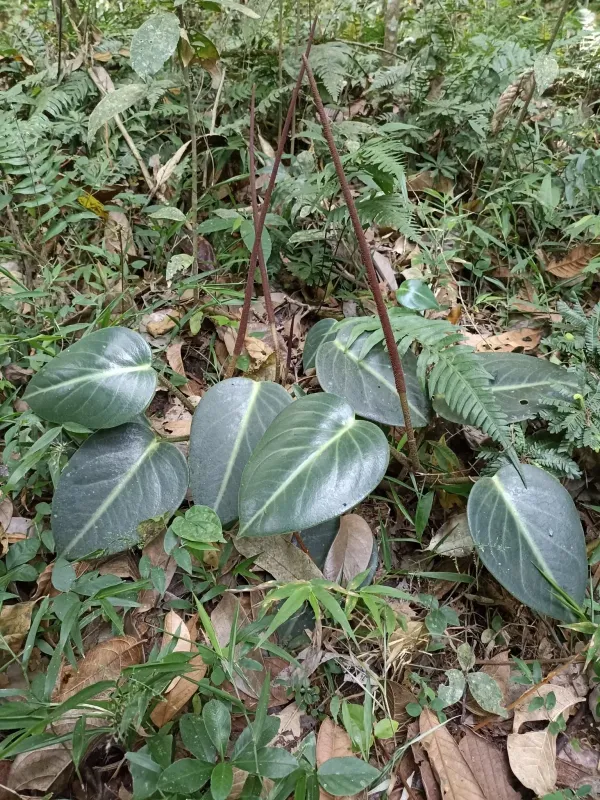
Description
Growing requirements
Spotted peperomia (Peperomia maculosa) is a perennial ornamental plant belonging to the Piperaceae family. Originating from the tropical rainforests of Central America and the Caribbean, this species is well-adapted to the warm, shaded environments of the forest floor.
The optimal climate for this crop involves maintaining ambient temperatures between 20°C and 25°C. It is sensitive to cold air currents and temperatures below 18°C, which can stress the plant and inhibit its metabolic activities significantly.
Light requirements for this crop are specific: it thrives in bright, indirect light. Intense midday sun can cause the thick, succulent-like leaves to bleach or develop unsightly necrosis, while insufficient light leads to stem elongation and leaf loss.
The soil structure must be porous and high in organic matter to mimic the natural environment. A mix containing peat moss, pine bark, and perlite provides the necessary aeration and moisture retention capacity required for healthy root development.
Watering practices should be strictly controlled, allowing the top portion of the growing medium to dry completely before the next application. Providing consistent humidity through air moisture rather than overwatering the soil is the standard professional approach for this species.
Main diseases and pests
The primary pests affecting this plant include mealybugs and spider mites. These pests typically congregate on the undersides of leaves or in stem nodes, where they feed on sap and potentially transmit viral pathogens.
Root rot, driven by Rhizoctonia or Pythium species, remains the most critical disease threat. This is almost always caused by waterlogging of the substrate, which prevents oxygen from reaching the root zone and leads to anaerobic decomposition.
Fungal leaf spots can occur when the foliage remains wet for extended periods in low-ventilation areas. Ensuring proper air circulation around the plant is a critical management strategy to minimize the risk of bacterial and fungal infections.
Biological pest control methods, such as introducing predatory mites or utilizing neem oil sprays, are effective for smaller infestations. For severe pest outbreaks, systemic insecticides may be necessary but must be applied according to label instructions.
Regular sanitation, including the removal of dead leaves and the sterilization of pruning tools, is essential for maintaining crop vigor. Monitoring the overall health of the plant weekly allows for early detection of issues before they compromise the entire specimen.