
Peperomia humilis
Peperomia humilis
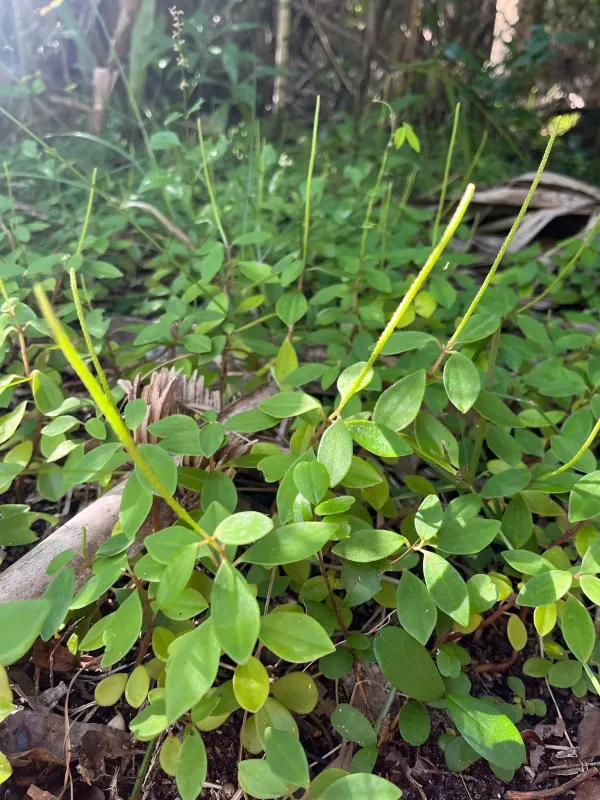
Description
Growing requirements
Peperomia humilis is a succulent-like perennial plant belonging to the Piperaceae family. Native to tropical and subtropical regions of the Americas, this species is naturally adapted to the humid, shaded understory environments of rainforests, which dictates its specific cultivation requirements.
Botanically, the plant is characterized by its succulent stems and distinctively veined foliage, which often features subtle reddish hues on the undersides. In agricultural and horticultural contexts, it is grown primarily for its ornamental value, requiring precise control over environmental humidity and temperature stability.
The cultivation success depends largely on the quality of the growing medium, which must be porous and well-aerated to prevent root asphyxiation. An ideal substrate consists of a peat-based mix combined with leaf mold and coarse sand, ensuring efficient drainage while retaining necessary moisture levels.
Regarding light requirements, the species thrives in bright, indirect light conditions. Direct sunlight is strictly avoided as it causes foliar burns and loss of chlorophyll. The ambient temperature should remain consistently between 18 and 24 degrees Celsius to support healthy metabolic rates and vegetative growth.
Agrotechnical management involves a careful irrigation strategy: the soil surface should be allowed to dry slightly between waterings to prevent root rot. During winter months, metabolic activity slows down, necessitating a reduction in watering frequency, although environmental humidity should still be maintained to prevent leaf desiccation.
Main diseases and pests
The primary threats to Peperomia humilis are fungal diseases, particularly Phytophthora and other root rots caused by overwatering or poorly drained soil. These pathogens thrive in waterlogged conditions and can cause systemic decay of the stem base, often leading to total plant loss if not addressed.
Pest management is focused on controlling spider mites and mealybugs, which are the most common agricultural pests for this species. Spider mites flourish in low-humidity environments, sucking plant juices and causing yellowing, chlorosis, and eventual premature drop of the foliage if left uncontrolled.
Mealybugs present a challenge due to their waxy protective coating, allowing them to hide in leaf axils and stems. Effective management requires a combination of manual removal and the application of systemic insecticides or horticultural oils to disrupt the lifecycle of the pests and prevent further infestations.
Scale insects can also infest the stems, requiring systematic inspection to catch populations before they expand. Early detection through regular monitoring of the underside of leaves and stems is essential for maintaining the overall health and ornamental quality of the crop.
Preventive measures include the application of appropriate fungicides during humid seasons and ensuring adequate air circulation around the plants. Maintaining optimal hygiene, including the removal of debris and sterilization of tools, is crucial for preventing the spread of diseases within the cultivation area.