
Peperomia hernandiifolia
Peperomia hernandiifolia
Description
Growing requirements
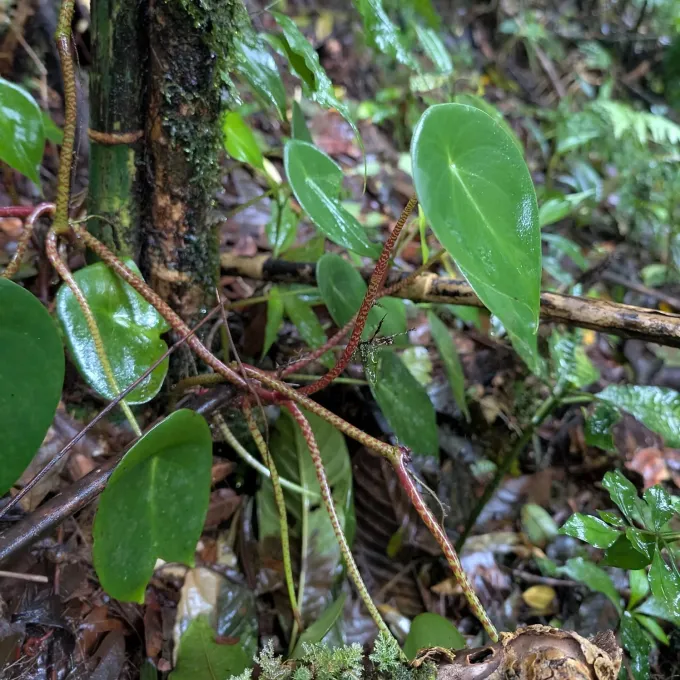
Peperomia hernandiifolia is a perennial herbaceous plant belonging to the Piperaceae family. Originating from the tropical forests of Central and South America, it is adapted to life in humid, shaded environments where it typically grows on forest floors or as an epiphyte.
Botanically, the plant is characterized by its succulent stems and lush, heart-shaped leaves that display prominent venation. These structural adaptations allow the plant to store water, providing a survival mechanism against irregular moisture availability.
Cultivation requires a stable temperature range between 20°C and 25°C. Exposure to cold drafts or rapid temperature fluctuations should be avoided, as these conditions significantly hinder growth and may lead to foliage abscission.
The growing medium must be loose, well-draining, and slightly acidic to neutral in pH. A mixture of leaf mold, peat, and coarse sand provides the necessary aeration for the root system, preventing waterlogging, which is critical for health.
Bright, indirect light is essential for maintaining plant vigor and color intensity. While it can tolerate moderate shade, direct sunlight must be avoided to prevent foliar scorching and dehydration of the fleshy leaves.
Main diseases and pests
The primary threats to this species are fungal diseases, particularly root and stem rot caused by overwatering. Ensuring the substrate dries out sufficiently between waterings is the most effective cultural practice to mitigate these risks.
Common insect pests include mealybugs, scale insects, and spider mites. These pests are often found in indoor environments with low humidity, where they can reproduce rapidly if left unchecked by regular monitoring.
Effective management involves the use of horticultural oils or systemic insecticides when infestation is confirmed. It is crucial to treat the plants thoroughly, focusing on the undersides of leaves and leaf axils.
Preventive care includes maintaining good air circulation around the plant and avoiding overhead irrigation. Cleaning the leaves with a damp cloth prevents dust buildup and reduces the attractiveness of the plant to certain pests.
Regular inspection of the root health during repotting is recommended to identify early signs of pathogens. Maintaining proper sanitation in the growing area prevents the spread of common greenhouse diseases.