
Ruby Glow Peperomia
Peperomia graveolens
Description
Growing requirements
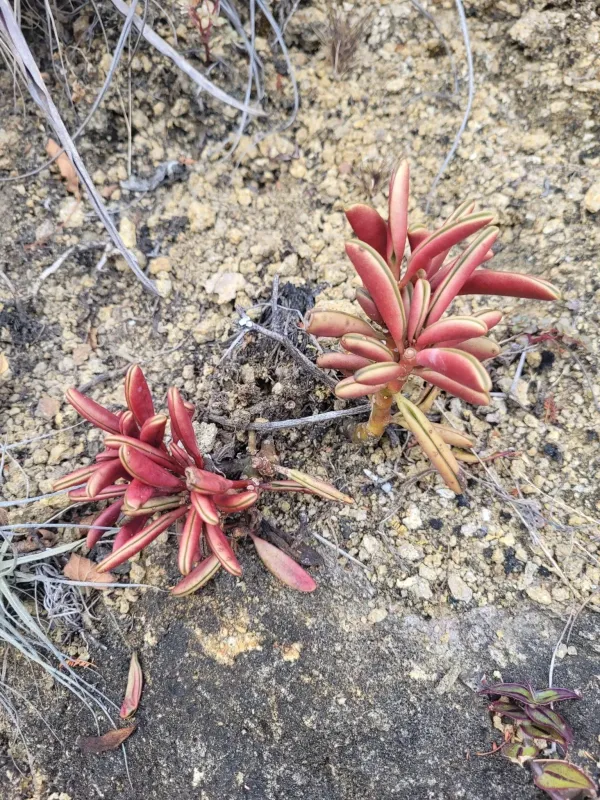
Peperomia graveolens, commonly known as the Ruby Glow Peperomia, is an ornamental succulent belonging to the Piperaceae family. This species is native to the high-altitude regions of Ecuador, where it thrives in rocky, well-drained terrain.
For successful cultivation, the plant requires well-draining and aerated substrates. A professional succulent or cactus mix enriched with perlite or coarse sand is recommended to ensure optimal root health and avoid moisture retention.
The plant prefers bright, indirect sunlight. During peak summer hours, partial shade is necessary to protect the vibrant foliage from scorch marks. The ideal temperature range for active growth is between 20 and 25 degrees Celsius.
Its primary agricultural and horticultural use is as an ornamental plant for indoor landscaping. It is prized for its unique aesthetic, featuring deep red stems and leaves with a translucent top window, making it a popular choice for interior plant collections.
Irrigation should be careful and moderate. The soil must be allowed to dry out at a depth of 2-3 cm before the next watering session. Excessive moisture trapped in the leaf rosette must be avoided to prevent stem rot.
Main diseases and pests
The primary threat to Peperomia graveolens is fungal infection, which is almost always a result of overwatering or inadequate drainage conditions in the growing medium.
Root rot is the most common disease, requiring an immediate repotting process into fresh, dry soil and the pruning of any damaged or mushy root tissues.
Pests such as mealybugs and spider mites frequently target the succulent's leaves, extracting sap and weakening the plant's structural integrity.
Treatment involves the use of specialized systemic insecticides or the manual removal of pests using a solution of insecticidal soap or rubbing alcohol.
Effective prevention of threats relies strictly on maintaining proper environmental conditions, including adequate ventilation, controlled humidity, and avoidance of sudden temperature shifts.