
Peperomia glabella
Peperomia glabella
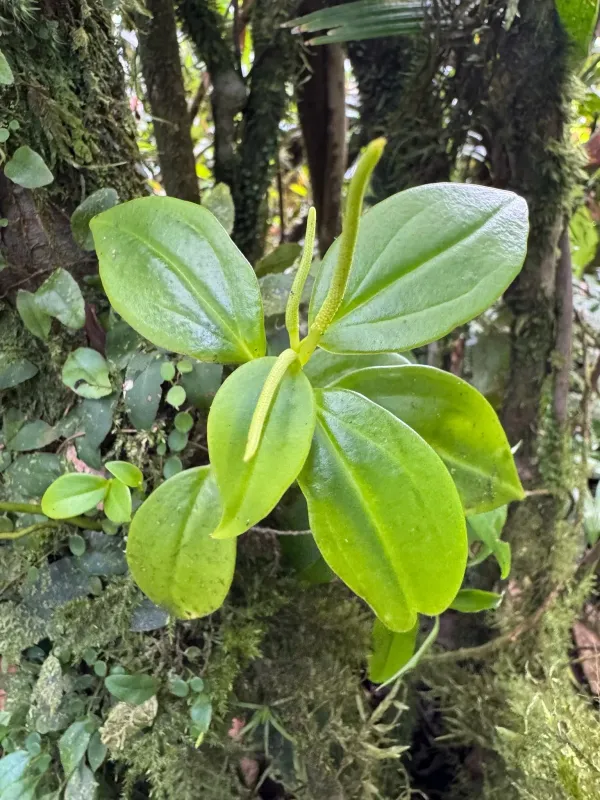
Description
Growing requirements
Peperomia glabella is a member of the Piperaceae family, originating from the tropical regions of Central and South America. As a perennial herbaceous plant, it is adapted to growing in the understory of tropical forests, where it thrives in filtered light and high humidity.
Botanically, it is characterized by its succulent, glossy, obovate leaves that store moisture, allowing the plant to tolerate short periods of drought. The stems are semi-succulent and can grow as trailing or semi-erect, making it a versatile choice for interior landscaping.
Environmental requirements include a consistent temperature range between 18°C and 25°C. The plant should be kept away from cold drafts and direct sunlight, which can scorch the foliage and lead to significant dehydration of the leaves.
Regarding soil conditions, Peperomia glabella requires a well-draining, loose potting mix. A combination of peat-based soil with perlite or coarse sand is recommended to ensure proper aeration and prevent root saturation, which is critical for long-term health.
The agricultural and ornamental use of this plant is primarily focused on interior plantscaping. It is highly valued for its aesthetic appeal, ease of propagation from stem cuttings, and its ability to adapt to varying light conditions within residential or commercial environments.
Main diseases and pests
The primary threat to Peperomia glabella is root rot caused by overwatering. If the substrate remains waterlogged for extended periods, the root system loses its ability to absorb nutrients, leading to rapid yellowing and abscission of the leaves.
Spider mites are a common pest, especially in environments with low air humidity. These mites puncture the leaf cells to feed, causing fine yellow stippling and webbing on the foliage, which diminishes the plant's decorative value.
Mealybugs pose another significant risk, often hiding in the leaf axils and along the stems. Their presence is indicated by a white, cotton-like substance, and they can weaken the plant by extracting essential plant juices, necessitating immediate removal or treatment.
Fungal leaf spot diseases can occur if water remains on the foliage in cool, poorly ventilated environments. Maintaining good air circulation is the most effective preventative measure against such infections, ensuring the leaves dry relatively quickly after watering.
For chemical control, it is advisable to use systemic insecticides or miticides approved for indoor use, ensuring thorough coverage of both leaf surfaces while following the manufacturer's specific application rates to avoid foliage damage.