
Peperomia fraseri
Peperomia fraseri
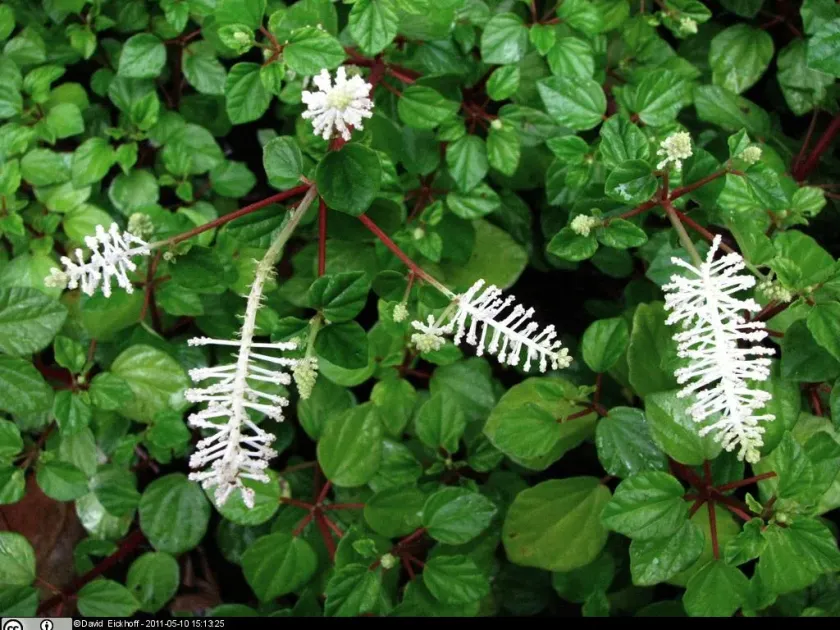
Description
Growing requirements
Peperomia fraseri is a decorative plant species belonging to the Piperaceae family. Originating from the tropical rainforests of Ecuador and Colombia, it is valued for its unique foliage and aromatic white flower spikes.
The plant typically reaches a height of 30–40 cm, forming a compact, lush habit. It is widely cultivated as an ornamental crop in greenhouses and indoor environments due to its aesthetic appeal.
Successful cultivation requires a stable ambient temperature between 20°C and 25°C. Any exposure to temperatures below 15°C should be avoided, as it can cause significant stress to the plant and inhibit growth.
Regarding soil, Peperomia fraseri prefers a well-draining, slightly acidic substrate. A mix of peat, perlite, and pine bark is often recommended to maintain adequate aeration while retaining necessary moisture.
Light management is crucial for this species. It performs best under bright, indirect light conditions. Exposure to direct sunlight will scorch the leaves, resulting in unsightly brown spots and permanent damage.
Main diseases and pests
Root rot is the most serious threat to Peperomia fraseri, usually resulting from excessive irrigation. Maintaining a proper watering cycle is essential to ensure the root system stays healthy and oxygenated.
Spider mites are common pests that thrive in dry indoor air. Their presence is indicated by small yellow spots on the foliage and fine webbing. Increased humidity is the best natural defense against these mites.
Mealybugs can also infest the plant, settling in leaf axils and stems. These insects sap the plant's vitality and secrete honeydew, which may eventually lead to the development of sooty mold.
Fungal leaf spot diseases may occur if the foliage remains wet for extended periods in environments with poor air circulation. Regular ventilation is recommended to prevent these infections.
For pest control, horticultural oils or specialized systemic insecticides are effective. It is critical to follow the product label instructions to avoid phytotoxic reactions on the plant's delicate tissues.