
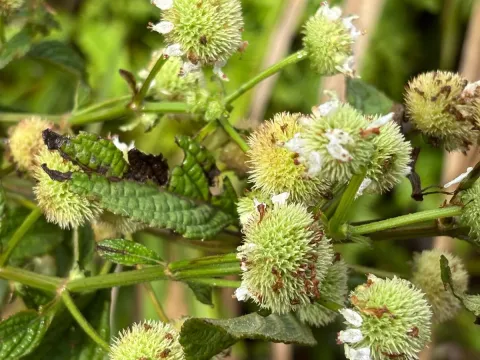
Peltodon
Peltodon
Peltodon, a genus within the Lamiaceae family, requires specific attention during the sowing phase. The seeds are small and benefit from stratification, which helps break dormancy and ensures a more uniform germination across the field.
What the section contains
Peltodon
The optimal time for sowing is during the late spring period, once the soil has warmed up to at least 12–15 degrees Celsius. Sowing too early in cold soil can lead to seed rot and uneven stand development.
Row spacing should be maintained between 45 to 60 centimeters to allow for efficient weeding and air circulation. Precise placement at a depth of 1-2 centimeters is recommended to ensure the seedlings emerge strongly without depleting their stored energy.
For more control, many growers opt for greenhouse-started seedlings. Transplanting these into the field after the risk of frost ensures a higher survival rate and a head start on the growing season, which is crucial in shorter-summer climates.
Plant density is a significant factor in total biomass production. Aiming for approximately 8–10 plants per square meter provides enough space for individual plants to reach their full potential while maximizing the use of the available land.
Peltodon thrives in sunny, well-drained conditions. It is highly sensitive to waterlogged soils, which can quickly lead to root decay, so selecting sites with excellent soil structure and natural drainage is a fundamental requirement for success.
The crop performs best in fertile, loamy soils with a neutral pH. If the soil is too acidic, liming should be performed well in advance of planting to create an environment conducive to the uptake of essential soil nutrients.
While the plant is somewhat drought-tolerant once established, supplemental irrigation is necessary during the peak growing phase and the period of flower development. Consistent moisture levels directly correlate to the quality and concentration of essential oils.
Nutrient management involves a balanced application of NPK fertilizers, with a slight emphasis on phosphorus and potassium to encourage strong root development and winter hardiness. Over-fertilization with nitrogen can lead to excessive vegetative growth at the expense of oil quality.
In terms of temperature, Peltodon prefers temperate climates with long, warm growing days. Protection from harsh, drying winds is beneficial, as these can cause leaf dehydration and stress the plant during its most productive growth periods.
Fungal pathogens represent the most significant threat to Peltodon crops, especially in high-humidity environments. Root rot and damping-off can be devastating to young seedlings if the soil moisture is not managed with precision.
Pests such as aphids and spider mites can infest the foliage, particularly in dry weather. Integrated pest management strategies, focusing on biological controls rather than synthetic pesticides, are preferred to maintain the quality of the end-use botanical product.
Good agricultural practices, such as maintaining a proper crop rotation cycle, significantly reduce the pressure from soil-borne diseases. Avoiding the planting of Lamiaceae species in the same plot consecutively is a standard preventative measure.
Weed management is critical during the first few weeks of growth when the plants are susceptible to competition. Mechanical cultivation in the aisles is an effective way to keep the plots clean while simultaneously aerating the soil surface.
Regular monitoring for early signs of infection or infestation allows for targeted intervention, minimizing the need for broad-spectrum treatments and ensuring the health of the plant population throughout the entire season.