
Escobaria vivipara
Pelecyphora vivipara
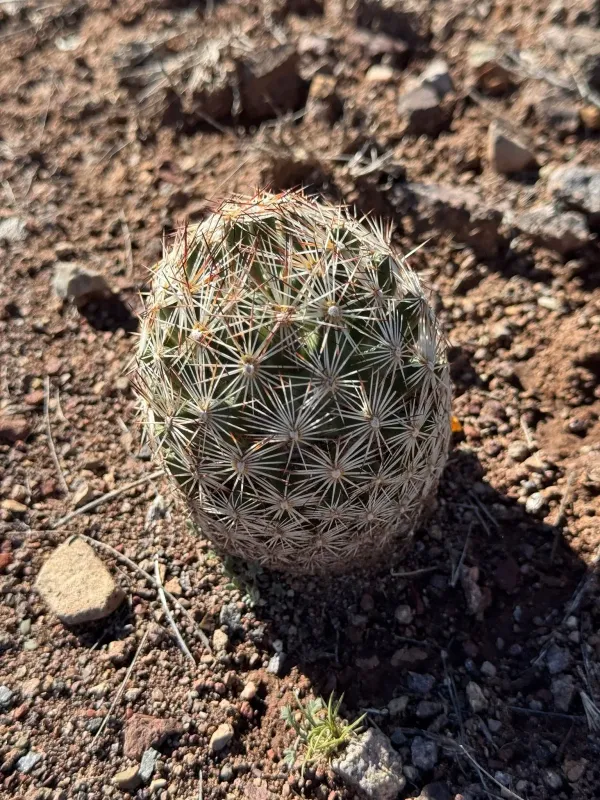
Description
Sowing dates
Sowing seeds of Escobaria vivipara requires a well-draining, sandy substrate to prevent waterlogging. It is best to sow during the spring months when natural light levels increase.
The seeds should be covered lightly with fine grit or sand to maintain humidity while allowing air circulation. Germination typically occurs within a few weeks under stable warm temperatures.
Care must be taken to prevent excessive moisture during the seedling stage. Small droplets of water can be provided, but the surface should never remain soggy for prolonged periods.
Seedlings need to be transplanted into individual pots once they have developed sufficient spines. This minimizes competition for nutrients and space among young plants.
Vegetative propagation is also possible through offsets. These should be detached carefully and allowed to dry for several days before being placed in a suitable growing medium.
Growing requirements
Escobaria vivipara, part of the Cactaceae family, is widely distributed across North America. It is known for its impressive cold tolerance, often surviving freezing winter conditions.
This species demands full sun exposure to maintain its compact, globose shape. In low-light environments, the plant will etiolate, becoming weakened and prone to structural damage.
The ideal soil mix is predominantly inorganic, containing coarse gravel, volcanic rock, and a small portion of sandy loam. Proper drainage is the most critical factor for success.
Watering should be deep but infrequent during the growing season. It is vital to let the substrate dry out completely before providing more water to mimic the arid native climate.
During winter dormancy, the plant must be kept dry and cool. This dormant phase is essential for flower production in the following season.
Main diseases and pests
Root rot is the most common threat, usually triggered by improper drainage or excessive autumn watering. Once the roots are compromised, recovery is difficult and often unsuccessful.
Mealybugs are frequent pests that nest between the tubercles. They can be difficult to detect initially, but can quickly drain the plant's vitality if left unchecked.
Spider mites may attack the epidermis, creating discolored patches that mar the aesthetic appearance of the cactus. Increased humidity or specific acaricides are effective treatments.
Fungal infections can spread rapidly in crowded collections. Maintaining good airflow around the plants significantly reduces the risk of such outbreaks.
- Ensure proper ventilation for all specimens.
- Avoid spraying water directly on the stems.
- Use systemic insecticides for early pest control.