
Pelecyphora emskoetteriana
Pelecyphora emskoetteriana
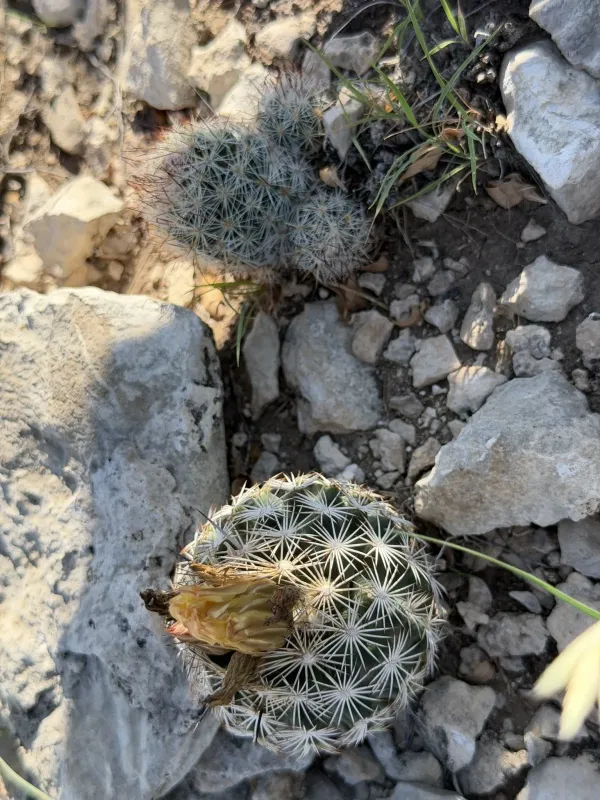
Description
Growing requirements
Pelecyphora emskoetteriana is a distinct species belonging to the Cactaceae family, natively found in the arid, limestone regions of northern Mexico.
The plant is known for its slow-growing, globose to cylindrical habit, featuring spirally arranged tubercles covered in comb-like spines that form a protective armor.
Success in cultivation requires a highly mineral-based soil medium, typically composed of coarse gravel, pumice, and minimal organic matter to ensure rapid drainage.
The species thrives under full sun exposure, which is necessary to maintain its compact form and vibrant spine color, preventing the etiolation common in low-light environments.
Irrigation practices must be precise: water should be applied only during the active growing season, allowing the medium to dry out completely between waterings to prevent root death.
Main diseases and pests
The primary concern for Pelecyphora emskoetteriana is root rot, which typically stems from overwatering or stagnant moisture around the root collar.
Pests such as mealybugs are notorious for hiding within the dense spine structure, making mechanical removal difficult and requiring systemic insecticides for control.
Red spider mites can infest the epidermis, especially in dry and poorly ventilated areas, causing unsightly scarring that can persist throughout the plant's life.
Fungal infections can spread rapidly if the ambient humidity is too high, leading to the collapse of the plant's succulent tissues.
Effective management includes maintaining a clean environment, periodic inspection of the root zone, and ensuring adequate air circulation around the plants.