
Pelecyphora aselliformis
Pelecyphora aselliformis
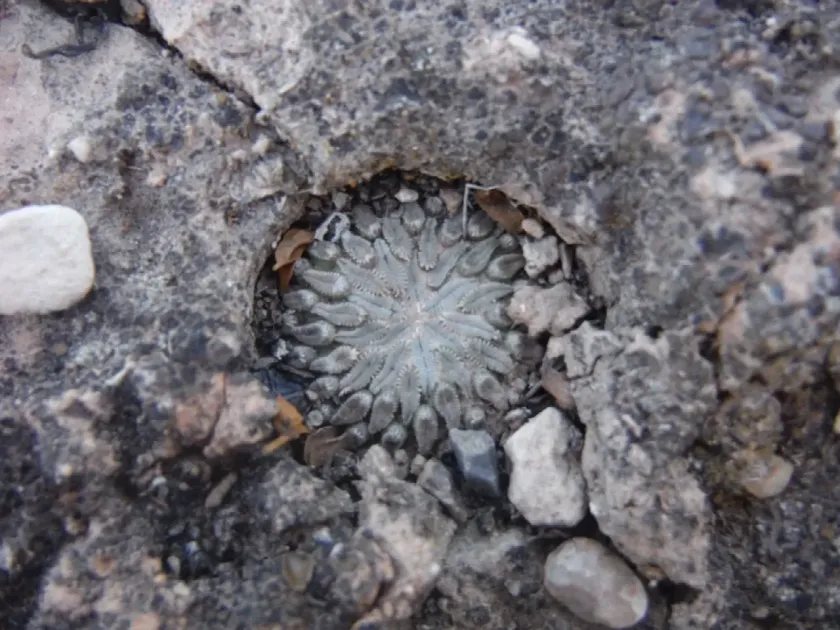
Description
Sowing dates
The sowing of Pelecyphora aselliformis seeds is typically performed in early spring when daylight hours begin to increase. March and April are considered the optimal window for ensuring sufficient natural light for developing seedlings.
Seeds should be sown in a sterile, fine-grained substrate consisting of peat, sand, and crushed brick. The depth of sowing must be shallow, as the seeds of this species require light to germinate effectively.
Containers must be covered with glass or film to maintain a constant greenhouse environment. Maintaining a stable temperature between 22 and 25 degrees Celsius is critical for high germination rates.
Seedlings may emerge unevenly, requiring careful monitoring to ensure the soil substrate does not dry out completely. Once spines begin to form, the seedlings should be gradually introduced to ambient air.
Pricking out the young cacti into individual pots should only be carried out once they reach the size of a pea, which typically occurs during the second year of growth.
Growing requirements
Pelecyphora aselliformis belongs to the Cactaceae family and originates from the arid regions of San Luis Potosi, Mexico. This plant requires maximum sunlight exposure and excellent air circulation to thrive.
The potting medium must be highly permeable and primarily mineral-based. A recommended mix includes turf soil, coarse sand, perlite, and fine gravel to prevent water stagnation around the roots.
This species is extremely sensitive to overwatering, particularly during its winter dormancy period. Summer watering should be done sparingly, allowing the root zone to dry out completely between irrigation sessions.
For optimal development, the cactus requires daytime temperatures around 25–30 degrees Celsius during the growing season and a cool rest period of 8–12 degrees in the winter.
Because the plant grows on limestone soil in its natural habitat, adding a small amount of lime to the potting mix can help support the health and structural integrity of the epidermis.
Main diseases and pests
Root rot is the primary threat to Pelecyphora aselliformis, typically resulting from improper irrigation or poorly drained substrates. Once rot sets in, it can spread rapidly throughout the cactus body.
Mealybugs are the most common pest, often hiding deep within the grooves of the plant's unique, woodlouse-like stem. Their presence can be difficult to detect during early stages of infestation.
Spider mites can also be a problem in environments with excessively dry air and poor ventilation. These pests suck sap from the cactus, leading to localized scarring on the stem surface.
Prevention relies on using sterile soil components and conducting regular visual inspections with a magnifying glass. If an infestation occurs, targeted applications of systemic insecticides are necessary.
Cultivators should monitor for any signs of softening or discoloration on the plant's surface, as these are clear indicators of critical cultivation errors that require immediate remedial action.