
Pelecyphora sneedii
Pelecyphora sneedii
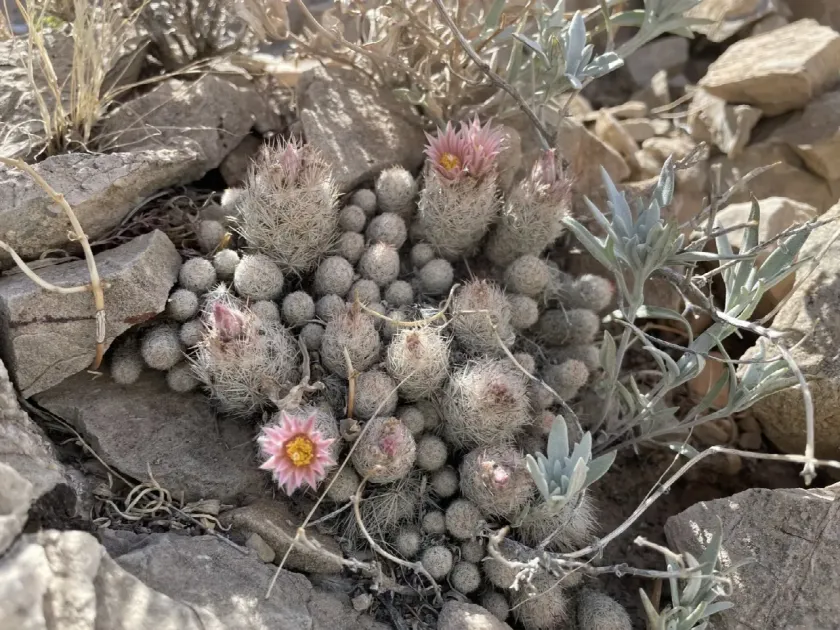
Description
Sowing dates
Propagation of Pelecyphora sneedii is primarily conducted through seeds, as this method ensures the morphological integrity of the species.
Sowing should take place in early spring to coincide with the natural growth cycle and increasing photoperiod of the seedlings.
The seeding medium must be highly porous, consisting mainly of mineral components like sand and crushed volcanic rock for optimal drainage.
Maintaining a consistent humidity level during the initial germination phase is crucial, which is achieved by covering containers with plastic.
Seedlings remain sensitive for a long period and require careful monitoring until they develop sufficient spines and structural stability.
Growing requirements
Pelecyphora sneedii belongs to the Cactaceae family and is native to arid regions where it inhabits limestone rocky outcroppings.
The species requires intense, direct sunlight to maintain its signature compact, columnar growth and dense spine coverage.
Cultivation requires a lean, mineral-based soil mixture that prevents moisture retention, as stagnant water is lethal to this cactus.
During the growing season, water should be applied only when the substrate has completely dried out to simulate natural rainfall patterns.
A cool, dry winter dormancy period is essential, with temperatures kept low to mimic the environmental conditions of its natural habitat.
Main diseases and pests
The most significant threat to Pelecyphora sneedii is fungal rot, usually triggered by improper watering schedules or insufficient ventilation.
Mealybugs are a common pest that lodge themselves between the dense tubercles, making them difficult to detect and remove manually.
Spider mites can cause significant damage to the plant's skin, especially in greenhouse environments with low humidity and poor airflow.
Root rot is a persistent danger if the cactus is planted in organic-heavy soil that retains moisture for extended durations.
Preventative measures include regular inspection of the growth tips and maintaining strict hygiene within the growing collection.