
Pelecyphora minima
Pelecyphora minima
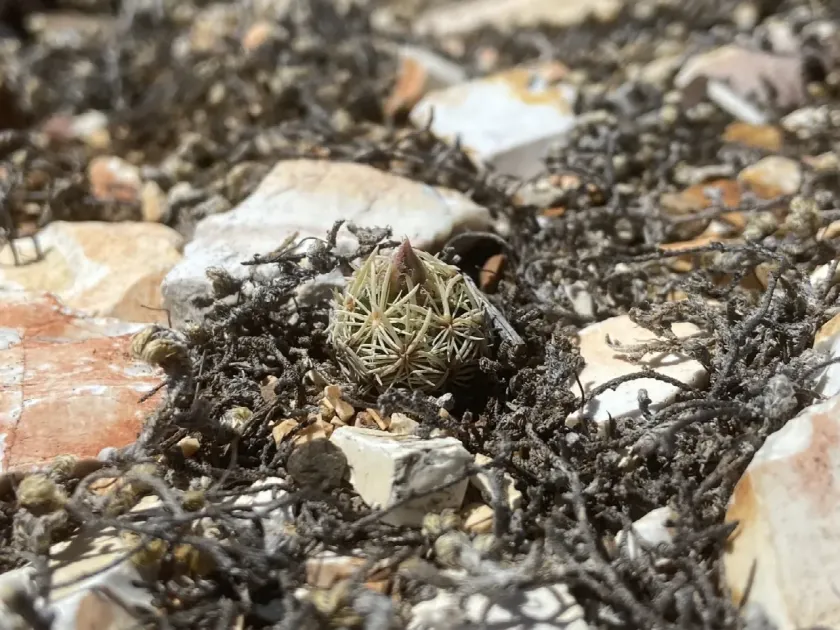
Description
Growing requirements
Pelecyphora minima is a highly sought-after species within the Cactaceae family. Native to the limestone outcrops in the Mexican state of San Luis Potosi, this plant is renowned for its extremely slow growth rate and unique, geometrically intricate appearance.
Botanically, the plant features a globular to short cylindrical stem covered in tight, spiraling tubercles. Unlike many other cacti, its spines are significantly reduced or almost non-existent, highlighting its clean, architectural form, which makes it a prized addition to specialized collections.
Climate requirements for this species are strict, demanding high levels of solar radiation and excellent ventilation. It thrives in an environment that replicates high-altitude desert conditions, characterized by high daytime heat and significant temperature drops at night.
The substrate must be primarily mineral-based and highly porous. A mixture consisting of coarse volcanic rock, pumice, and grit, with only a negligible amount of silty soil, ensures the rapid drainage necessary to prevent root suffocation.
Watering requires precision; water should be applied sparingly only during the growing season. During the dormancy phase, the plant must be kept completely dry to maintain its hardiness and prevent tissue collapse associated with excessive moisture.
Main diseases and pests
The primary threat to Pelecyphora minima is moisture accumulation around the roots, which quickly leads to fungal rotting. Even a slightly overwatered substrate can cause irreparable damage to the root system within a few days.
Mealybugs are the most persistent pest, often concealing themselves deep within the grooves between the tubercles. Their presence can be difficult to detect until the plant starts showing signs of stunted growth or chlorosis.
Spider mites represent another common threat, particularly in hot, stagnant air environments. These pests cause discoloration on the epidermis, which can lead to unsightly scarring that remains on the plant for many years.
To combat pests, systemic insecticides and targeted acaricides are recommended. It is essential to ensure that the active ingredients are suitable for use on sensitive, slow-growing succulents to avoid burning the plant's delicate surface.
Good hygiene practices, such as sterilizing containers and using clean, high-quality pumice, go a long way in preventing disease outbreaks. Regular observation of the plant's growth points is the most effective way to detect early signs of stress or infestation.