
Pelecyphora laredoi
Pelecyphora laredoi
Description
Growing requirements
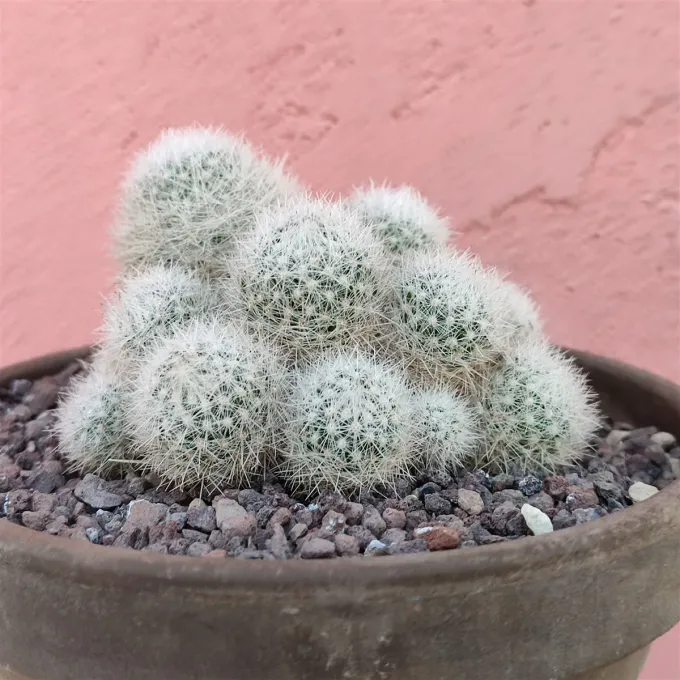
Pelecyphora laredoi is a rare and highly sought-after member of the Cactaceae family, native to the arid environments of Mexico. Known for its distinct morphological features, this cactus grows in rocky terrain where it receives intense sunlight.
Botanical characteristics include a globose or slightly cylindrical stem covered in intricate tubercles. These tubercles are a key identifier, giving the plant its architectural look. The plant is slow-growing, which requires significant patience from cultivators.
Climate requirements for this species involve bright, unfiltered sunlight during the growing season. It thrives in environments with high daytime temperatures and cooler nights, mimicking the natural desert cycle which is crucial for its health.
Soil composition must prioritize drainage. A mineral-rich mix containing coarse sand, grit, and limestone is essential to replicate the rocky substrates of its natural habitat. Proper aeration of the soil is key to preventing root suffocation.
Agricultural techniques focus on minimal watering. During the dormant winter phase, the plant should remain almost completely dry. During the summer, water should be applied only when the soil has dried out entirely to ensure the health of the root system.
Main diseases and pests
The primary threats to Pelecyphora laredoi are fungal infections caused by excessive humidity and poor air circulation. These conditions are detrimental to the longevity of the cactus.
Root rot is the most common cause of mortality in cultivation. It is usually triggered by waterlogging the substrate, which encourages the growth of pathogenic fungi that quickly degrade the plant's vascular tissue.
Pests such as mealybugs can infest the crevices between the tubercles, where they are difficult to detect early. Regular inspection of the plant's surface is necessary to catch and treat infestations before they spread.
Spider mites are another concern, particularly in indoor environments with low humidity. They can cause scarring on the cactus skin, which permanently affects its ornamental value.
Preventive maintenance includes maintaining a clean environment and ensuring adequate ventilation. Chemical treatments should be applied sparingly, following specific guidelines for sensitive succulent species to avoid toxicity.