
Pelecyphora dasyacantha
Pelecyphora dasyacantha
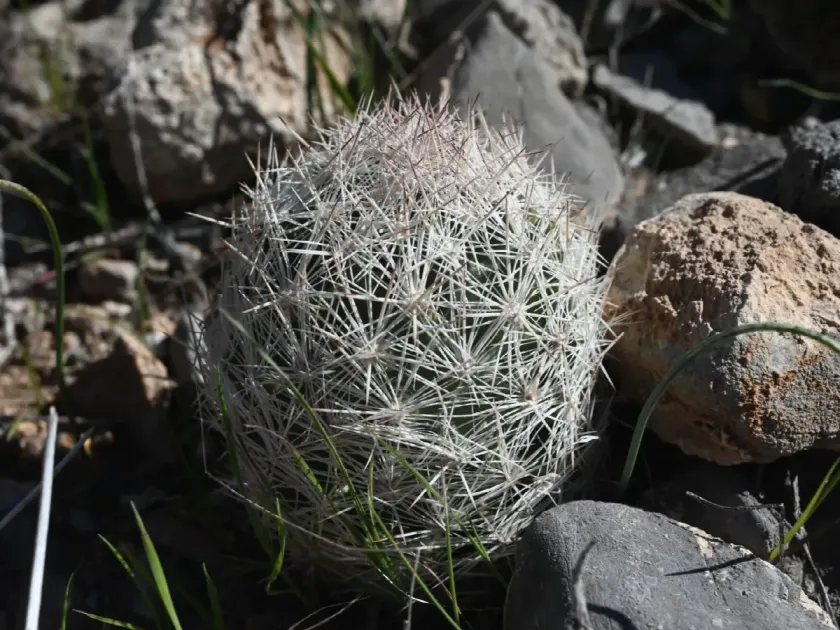
Description
Sowing dates
Pelecyphora dasyacantha is a slow-growing species within the Cactaceae family, primarily native to arid regions of Mexico. Propagation is strictly done via seeds due to the slow growth habit.
Sowing should take place in early spring. Seeds require a well-draining, mineral-based substrate, preferably consisting of fine sand and crushed volcanic rock to ensure sterility.
The germination process requires a consistent temperature of 25°C and high humidity. Using a propagator box is essential for the first few weeks until the seedlings emerge.
Seedlings are extremely sensitive to fluctuations in moisture and light. They require a gentle misting and should never be exposed to direct sunlight until fully established.
The transition to regular care must be gradual, reducing the humidity in the greenhouse environment over several months to harden off the young cactus tissue.
Growing requirements
This species thrives in high light conditions. It requires at least 6 hours of bright, indirect sunlight daily to maintain its compact shape and healthy spine development.
A specialized cactus mix is vital. It must contain a large fraction of inorganic matter like pumice, lava grit, or perlite to facilitate rapid water drainage and root aeration.
The watering regime must follow the 'soak and dry' principle. Water should only be applied when the substrate has completely dried out to prevent the risk of root rot.
During the winter months, the plant enters a period of dormancy. It should be kept at temperatures between 5°C and 10°C in a dry environment to ensure successful spring flowering.
Fertilization should be kept to a minimum, using a low-nitrogen, high-potassium cactus fertilizer diluted to half strength only during the peak summer growth period.
Main diseases and pests
The primary threat to Pelecyphora dasyacantha is excessive soil moisture. Root rot can manifest rapidly, leading to irreversible damage if detected too late.
Pests like mealybugs often hide in the dense clusters of spines, making them difficult to spot. Infestations should be treated with systemic insecticides or isopropyl alcohol.
Spider mites are common in low-humidity environments. They can cause unsightly scarring on the surface of the cactus, which detracts from its ornamental value.
Fungal infections can arise from poor ventilation. It is essential to ensure good airflow in the greenhouse or growing area to prevent stagnant air conditions.
Regular monitoring of the plant's surface and root system is the best defense against pathogens. Early intervention is key to preserving the health of this slow-growing species.