
Zonal pelargonium
Pelargonium zonale (L.) L'Her. ex Aiton x P. tongaense Vorster
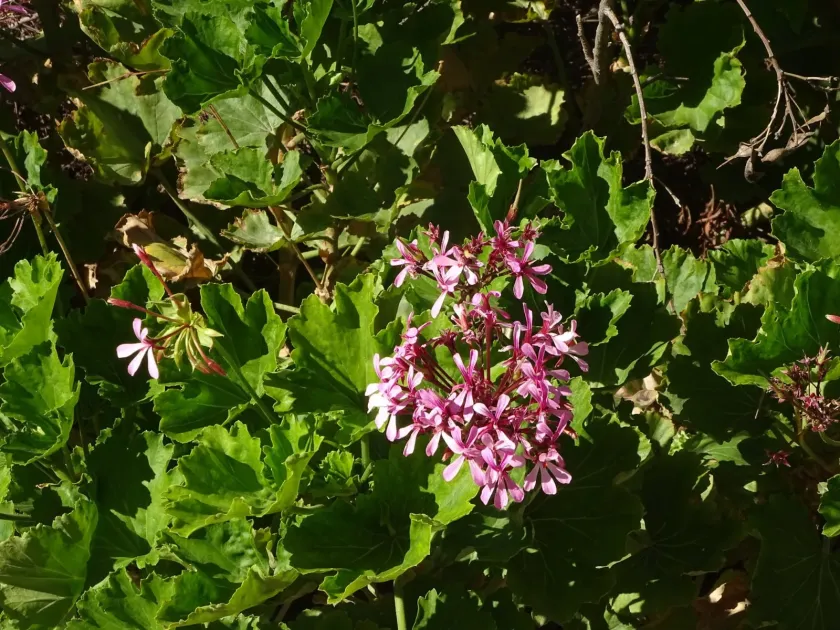
Description
Sowing dates
Zonal pelargonium (Pelargonium zonale), also known as zonal geranium, is a perennial flowering plant from the Geraniaceae family. It is widely cultivated for its unique foliage and vibrant, long-lasting blooms.
Native to Southern Africa, this crop has become a staple in ornamental horticulture globally. It is valued for its ability to thrive in containers, hanging baskets, and as a summer bedding plant in diverse landscapes.
Seed sowing typically begins in mid-winter, from January to February. This ensures that the plants establish a robust root system and are ready for spring planting, maximizing the total blooming duration throughout the season.
Seeds should be sown in a well-draining, sterile potting mix at a shallow depth. Maintaining a consistent temperature of about 20–22 degrees Celsius and bright light is essential for successful germination and initial seedling growth.
Transplanting (pricking out) occurs once the first set of true leaves develops. While seeding is common for developing new varieties, professional growers often utilize stem cuttings to ensure uniformity and vigor in mass production.
Growing requirements
Zonal pelargonium requires high light intensity to maintain its characteristic zonal markings on the leaves and to promote prolific flowering. Full sun or very bright partial shade is ideal for healthy development.
The ideal soil is a porous, nutrient-rich substrate with a neutral to slightly acidic pH. Proper drainage is the most critical factor; the root system is highly susceptible to rot if subjected to waterlogged conditions.
The plants prefer moderate temperatures between 18 and 25 degrees Celsius. Being sensitive to frost, they require protection or relocation to frost-free environments during the autumn and winter months in temperate zones.
Watering should be balanced, allowing the surface of the soil to dry out slightly between irrigation cycles. Overwatering is the most frequent error in management, often leading to physiological stress and root disease.
Regular fertilization with a balanced NPK ratio, specifically higher in phosphorus and potassium during the flowering phase, is recommended every two weeks to support continuous bloom production and vigorous stems.
Main diseases and pests
Root rot and stem rot are the primary pathological threats, usually induced by poor drainage and excessive humidity. Preventing these issues relies on clean growing conditions and moderate irrigation strategies.
Botrytis, or grey mold, is a common fungal disease that affects foliage and blooms under conditions of poor air circulation and high moisture. Pruning and spacing are essential preventative measures against this pathogen.
Insect pests such as spider mites, aphids, and whiteflies are common challenges. These pests weaken the plant by feeding on sap, often causing stunting and discoloration of the leaf tissue.
Integrated pest management (IPM) is the most effective approach, combining biological controls with targeted insecticide applications when pest thresholds are reached, especially in greenhouse environments.
Maintaining high hygiene standards in the growing area, including the sterilization of pots and tools, is paramount for preventing the spread of viral and fungal infections among healthy plant stocks.