
Pelargonium tricolor
Pelargonium tricolor Curtis
Description
Growing requirements
Pelargonium tricolor is a highly distinctive species within the Geraniaceae family, native to the diverse flora of the Cape region in South Africa. It is a slow-growing, shrubby plant that attracts enthusiasts with its striking, tri-colored flowers.
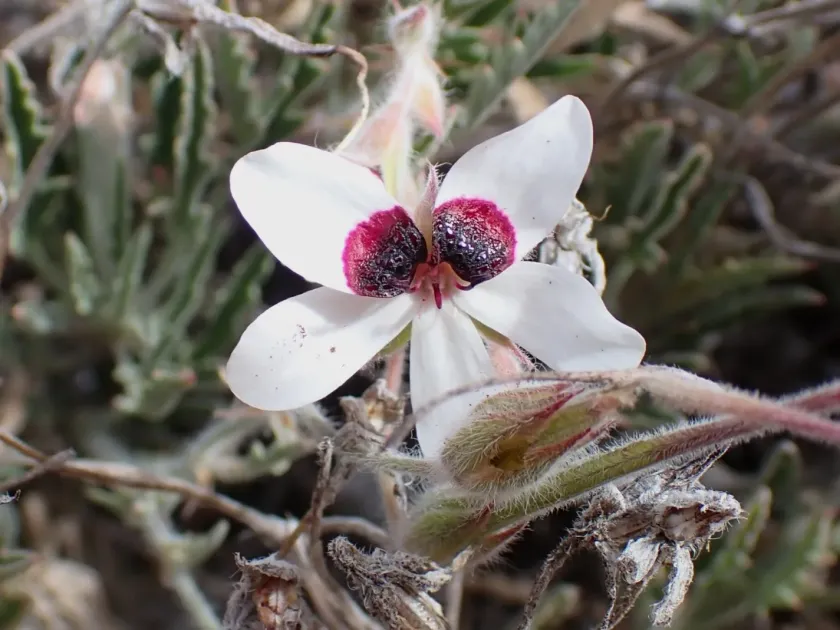
The botanical structure of the plant features pinnate leaves that are often finely textured. The flowers are the highlight, showcasing a blend of white, pink, and dark crimson markings, resembling a vibrant work of art which differentiates it from common pelargoniums.
When cultivating this species, prioritize bright, filtered sunlight. It thrives in positions where it can receive maximum light intensity without being scorched by harsh, direct afternoon rays, which can damage the delicate foliage.
The substrate must be exceptionally well-draining, mimicking its natural arid environment. A mix comprised of gritty soil, perlite, and a small portion of organic matter is ideal to prevent moisture retention around the sensitive root system.
Maintaining a correct temperature gradient is essential for the plant's life cycle. During the growing season, moderate temperatures are preferred, while a cool rest period during winter is mandatory to initiate healthy growth and prolific flowering in the spring.
Main diseases and pests
The most significant threat to Pelargonium tricolor is root rot caused by improper watering practices. Given its semi-succulent nature, allowing the plant to sit in water or keeping the soil constantly damp is detrimental and often fatal.
Fungal pathogens such as Botrytis (gray mold) can infect the leaves if humidity levels are too high or if air circulation around the plant is insufficient. Proper spacing and airflow are critical prevention strategies for maintaining plant health.
Spider mites are common pests that thrive in the dry conditions required by the plant. These tiny insects can rapidly weaken the plant by feeding on cell sap; therefore, monitoring for signs of webbing or leaf yellowing is crucial for early intervention.
Mealybugs can also pose a persistent problem, hiding in the leaf axils or near the roots. If an infestation is detected, physical removal followed by the application of mild systemic insecticides is generally recommended to control the population.
Overall, successful management of this species relies on strict cultural discipline. By maintaining a clean environment, using sterilized pots, and ensuring the plant is never left in stagnant conditions, growers can effectively avoid most common pathological issues.