
Tonga pelargonium
Pelargonium tongaense Vorster
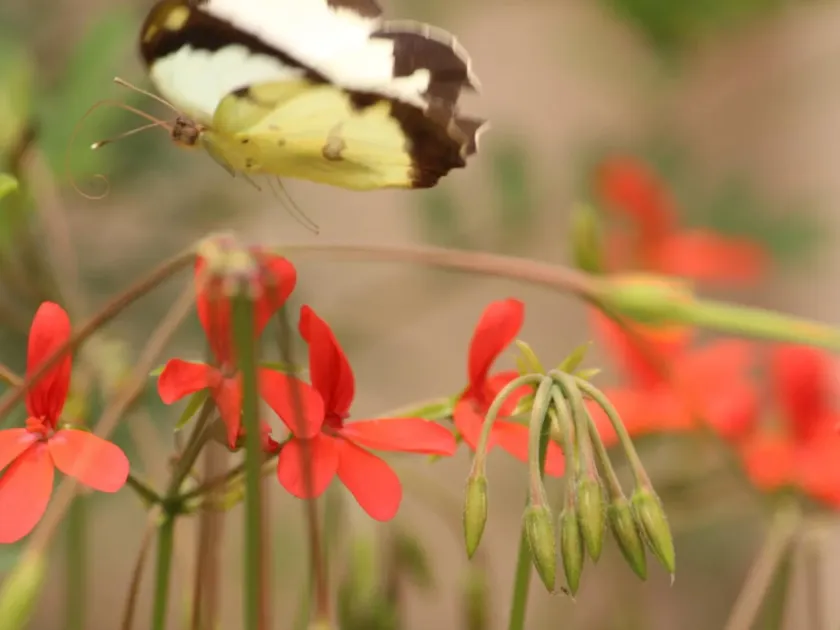
Description
Growing requirements
Tonga pelargonium (Pelargonium tongaense) is a perennial flowering plant belonging to the Geraniaceae family. Native to the coastal regions of the Delagoa Bay in Mozambique, it is a rare species in its natural habitat and is highly prized by collectors.
The plant thrives in warm, subtropical climates. Since it is not frost-hardy, it is primarily cultivated as a container plant in temperate regions, requiring protection in greenhouses or indoor environments during the colder months of the year.
Optimal growth requires well-drained, porous soil with a slightly acidic to neutral pH. Proper soil composition is crucial for preventing root suffocation, as the species is highly susceptible to root decay if the substrate remains waterlogged for extended periods.
Sunlight requirements are significant; the plant needs bright, indirect light to maintain its compact habit. In low-light conditions, the stems tend to become leggy, significantly reducing the decorative value and the intensity of the scarlet flower displays.
In terms of agricultural management, regular fertilization during the active growing season is essential. A balanced, low-nitrogen fertilizer helps promote flower production while maintaining the overall health and vigor of the root system.
Main diseases and pests
Common pests affecting this species include aphids and whiteflies, which typically colonize the underside of the leaves. Monitoring programs should focus on these insects during warm spells to prevent significant damage to the foliage.
The species is prone to fungal pathogens, particularly Botrytis blight, which can spread rapidly in poorly ventilated areas with high humidity levels. Ensuring adequate airflow and avoiding overhead watering are key strategies for disease control.