
Ceylon pavonia
Pavonia zeylanica
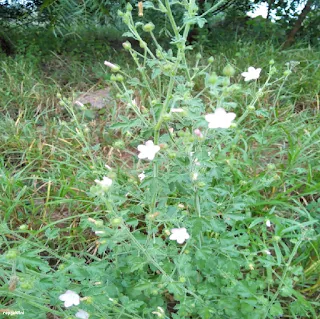
Description
Sowing dates
The Ceylon pavonia is a heat-loving crop, making its sowing schedule heavily dependent on stable warm temperatures.
In its native tropical environment, planting typically coincides with the onset of the rainy season to ensure optimal moisture for seed germination.
Commercial cultivation often utilizes a seedling production method, which significantly improves plant establishment in the field.
Seeds are sown in controlled greenhouse environments approximately 6 to 8 weeks before the intended transplanting date.
The soil temperature must reach at least 20–22 degrees Celsius to ensure vigorous and uniform emergence of seedlings.
Growing requirements
As a member of the Malvaceae family, this species requires specific tropical or subtropical environmental conditions to thrive.
The plant is highly photophilous and requires full sun exposure throughout the day to achieve peak vegetative development.
It performs best in fertile, well-draining sandy loam or loamy soils with a neutral to slightly acidic pH balance.
While the plant shows some drought tolerance, consistent irrigation is necessary to support biomass production during dry spells.
Waterlogging must be strictly avoided, as the root system is susceptible to decay if drainage is poor or if the soil remains water-saturated.
Main diseases and pests
Key pests affecting Pavonia zeylanica include spider mites and various aphid species, which flourish under warm and dry conditions.
Fungal issues, such as powdery mildew, often occur in greenhouse settings with high humidity and poor air circulation.
Root rot remains a primary concern, usually resulting from over-irrigation or planting in heavy, poorly aerated soil types.
Integrated pest management strategies are recommended to maintain plant health and prevent the spread of diseases.
- Regular field scouting to identify pest pressure early.
- Maintaining optimal planting spacing to improve airflow.
- Applying fungicides only when environmental conditions favor disease outbreaks.