
Pavonia communis
Pavonia communis
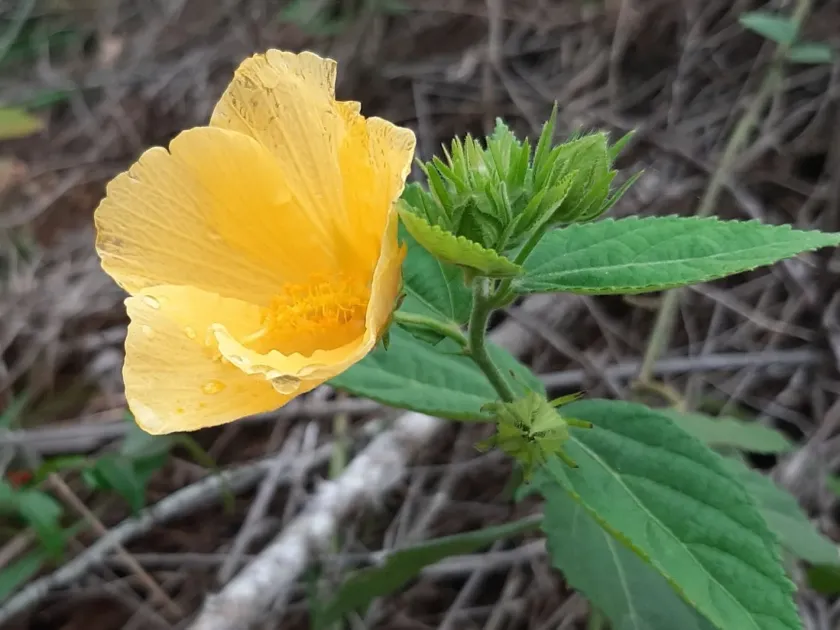
Description
Sowing dates
Sowing of Pavonia communis in temperate climates is best performed in spring once soil temperatures reach 15–18°C. Mid-May is typically the ideal window to ensure the crop avoids frost and benefits from long, warm days.
Seeds should be planted at a depth of 2–3 cm into loose, well-prepared soil. Using a row-seeding method with 40–50 cm between rows provides enough space for each plant to develop properly and facilitates easier weed management.
To ensure high germination rates, it is recommended to scarify the seeds or soak them in growth stimulants prior to planting. This technique helps overcome the seed coat's dormancy and results in faster, more uniform emergence.
The seeding rate is usually around 15–20 kg per hectare when the crop is grown for fiber production. Maintaining adequate stand density is essential to suppress weeds naturally, reducing the need for chemical or mechanical weeding during the early stages.
After sowing, the field must be rolled to ensure firm contact between the seeds and the soil. This critical step promotes moisture uptake, which is vital for the successful establishment of this Malvaceae family member.
Growing requirements
Pavonia communis is a perennial herb or subshrub belonging to the Malvaceae family. Originating from tropical and subtropical regions of South America, it thrives in environments that offer plenty of direct sunlight and warmth.
The crop requires fertile, loam or sandy-loam soils with excellent drainage. Pavonia is sensitive to waterlogging, so selecting fields with low groundwater levels or installing proper drainage systems is necessary for commercial success.
Optimal growth occurs at temperatures between 20–25°C. During the vegetative stage, the plant requires consistent moisture, especially when the stems are rapidly elongating, as drought stress can significantly reduce fiber quality.
Aeration of the soil is another key requirement. Regular cultivation between the rows keeps the soil loose, allowing oxygen to reach the roots, which accelerates plant growth and encourages the formation of strong, fibrous stems.
Applying fertilizers, particularly nitrogen-based ones, is essential during the early growth phases to maximize biomass production. Proper nutrition ensures that the plant reaches its full height, which directly influences the value of the harvested fiber.
Yield
The yield of Pavonia communis depends heavily on site-specific soil fertility and strict adherence to agronomic practices. Under optimal conditions, a hectare of land can produce significant amounts of green biomass for processing.
The primary commercial product is the bast fiber extracted from the stems. The fiber yield after primary processing represents a significant portion of the dry stem mass, making this crop a viable option for specialized textile markets.
Maintaining high productivity requires a balanced approach to fertilization and pest management. On nutrient-rich soils with consistent rainfall or irrigation, growers can expect a 20–30% increase in total biomass compared to less favorable environments.
Seed production should be managed by dedicating specific areas to seed-bearing plants that are not harvested for fiber. This ensures a sustainable supply of high-quality planting material for subsequent seasons without reliance on external sources.
Overall economic assessment suggests that cultivating Pavonia is profitable when integrated into a regional value chain that includes primary processing facilities. Efficient harvesting techniques can further optimize the financial returns from this fiber crop.
Main diseases and pests
The primary threats to Pavonia communis include fungal pathogens such as root rot and fusarium wilt, often exacerbated by excessive soil moisture. Proper water management is the most effective way to prevent these diseases.
Pests such as aphids and spider mites can severely damage the foliage, especially during hot and dry spells. Heavy infestations disrupt photosynthesis, leading to stunted growth and reduced fiber quality, which lowers the commercial value of the crop.
Disease prevention relies on strict crop rotation cycles. Avoiding the cultivation of Pavonia on the same field for at least three to four years prevents the accumulation of soil-borne pathogens and helps maintain a healthy crop.
Integrated pest management, including the use of biological control agents and targeted insecticides, should be employed if infestation thresholds are met. Weekly scouting of fields is recommended to detect problems before they spread.
Sanitation after the harvest is crucial. Removing and destroying plant debris helps eliminate overwintering sites for pests and pathogens, ensuring a cleaner environment for the next production cycle.
Harvesting
Harvesting Pavonia communis for fiber should take place at the beginning of the flowering stage. At this time, the stems have reached their peak structural development, providing the best balance of fiber strength and flexibility.
Mechanical harvesters should be adjusted to cut as close to the soil surface as possible. This approach maximizes the harvested stem length, which is a major factor in the grading and quality assessment of the fiber.
After cutting, the stems are subjected to retting (soaking in water) to separate the fibers from the woody core. This process requires precise control over water quality and timing to produce high-grade material for spinning mills.
Seed harvesting occurs when the seed pods have darkened and turned brittle. It is important to monitor the field closely during this time to avoid losses due to premature seed shattering, which can happen if harvest is delayed.
Post-harvest processing of seeds involves cleaning, drying in shaded areas, and storage in cool, dry conditions. These steps ensure that the viability of the seed stock is preserved for the next season's planting requirements.