
Pavonia arabica
Pavonia arabica
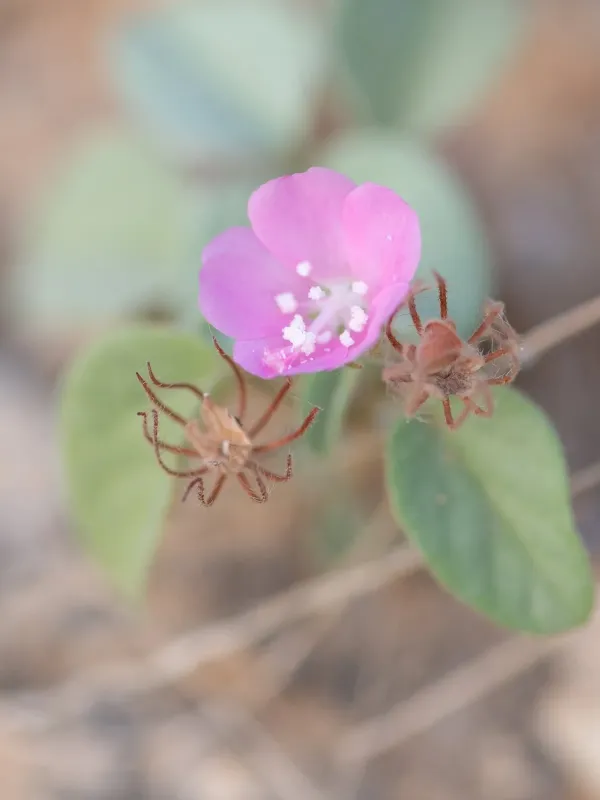
Description
Growing requirements
Pavonia arabica is a perennial subshrub belonging to the family Malvaceae. It is a highly specialized plant species, naturally evolved to thrive in the harsh environments of the Arabian Peninsula and parts of North Africa.
The plant demonstrates significant xerophytic characteristics, including reduced leaf surface and deep root systems that allow it to extract moisture from arid, rocky, or sandy desert soils.
Regarding climate, this species requires full sun exposure and extreme heat. It is perfectly adapted to the desert climate, where daytime temperatures often exceed 40 degrees Celsius.
Soil requirements focus on drainage. The species cannot survive in waterlogged environments; therefore, light, sandy soils with a high mineral content are the most suitable for successful cultivation.
Agricultural management should prioritize minimal intervention. Irrigation should be used sparingly, primarily to prevent extreme plant wilting rather than to stimulate rapid vegetative biomass production.
Main diseases and pests
In its natural habitat, Pavonia arabica is quite resilient to many pathogens. However, in cultivated settings, improper watering can lead to the development of fungal infections in the root zone.
Powdery mildew represents the most frequent threat to the foliage. This condition is usually triggered by fluctuations in humidity levels and poor air circulation around the plants.
Spider mites can become a problematic pest during hot, dry spells if the plants are stressed due to inadequate water supply or nutrient deficiency.
Management of these threats involves strictly controlled drip irrigation and the use of physical barriers or pruning to ensure adequate airflow within the plant canopy.
Proactive monitoring of the leaf undersides for early signs of pests is essential for maintaining the health and vigor of the entire plantation.