
Pavonia burchellii
Pavonia burchellii
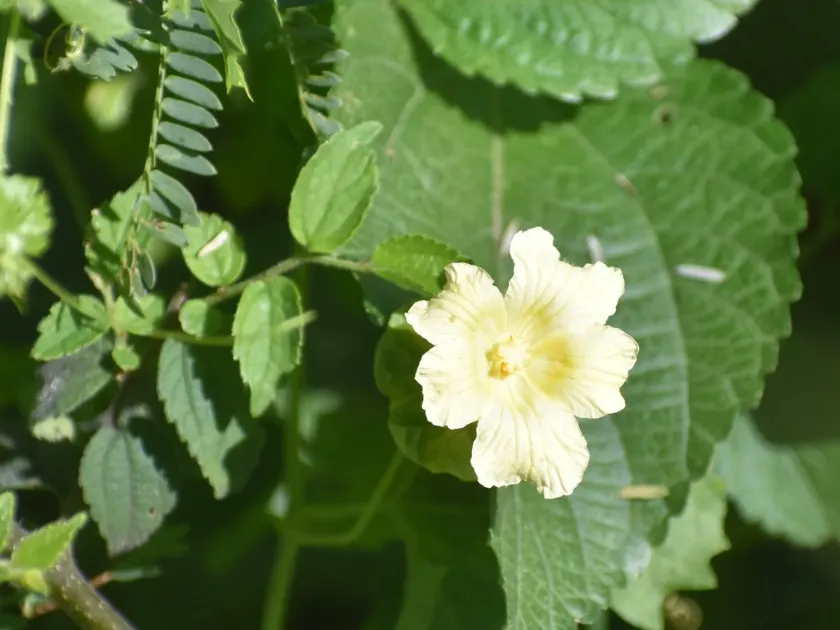
Description
Growing requirements
Pavonia burchellii is a notable species within the Malvaceae family, prized for its structural resilience and unique botanical features. As a perennial plant, it is naturally adapted to environments that require efficient water usage and high solar tolerance.
The cultivation of this plant necessitates well-draining soil structures. Sandy or loamy soils with excellent aeration are ideal, as they prevent the water stagnation that can lead to root degradation and secondary infections in the root zone.
Optimal site selection should prioritize locations with high light intensity. Being a heliophilous species, Pavonia burchellii requires full sunlight exposure to maintain its compact habit and produce vibrant, healthy foliage throughout the growing season.
Temperature management is critical for the long-term success of the crop. It thrives in warm climates and lacks substantial frost tolerance; therefore, environmental control is necessary when cultivating the plant in regions prone to seasonal cold snaps.
Watering requirements should be managed with precision. While the plant shows signs of xerophytic adaptation, regular irrigation is vital during peak growth stages and flowering to ensure metabolic processes function correctly and structural integrity is maintained.
Main diseases and pests
The primary pest pressures for Pavonia burchellii include sap-sucking insects such as aphids and spider mites. These pests typically thrive in environments where air circulation is restricted and humidity levels fluctuate significantly.
Fungal leaf spot diseases represent a recurring threat, particularly during periods of prolonged dampness. These pathogens can cause significant defoliation if left unchecked, reducing the plant's overall aesthetic and biological performance.
Root rot, often caused by waterlogging, is the most detrimental condition for this species. Prevention involves implementing strict drainage protocols and avoiding the excessive application of water, especially during dormant periods or cooler weather.
Whiteflies can also colonize the plant, acting not only as direct pests but also as vectors for viral infections. Integrated pest management, focusing on biological controls and reflective mulching, is effective in reducing populations.
Maintaining a clean cultivation area and removing debris is essential to reduce the inoculum of soil-borne pathogens. Regular inspection and early detection of symptoms allow for targeted treatment with appropriate fungicides or horticultural oils.