
Pavonia fruticosa
Pavonia fruticosa
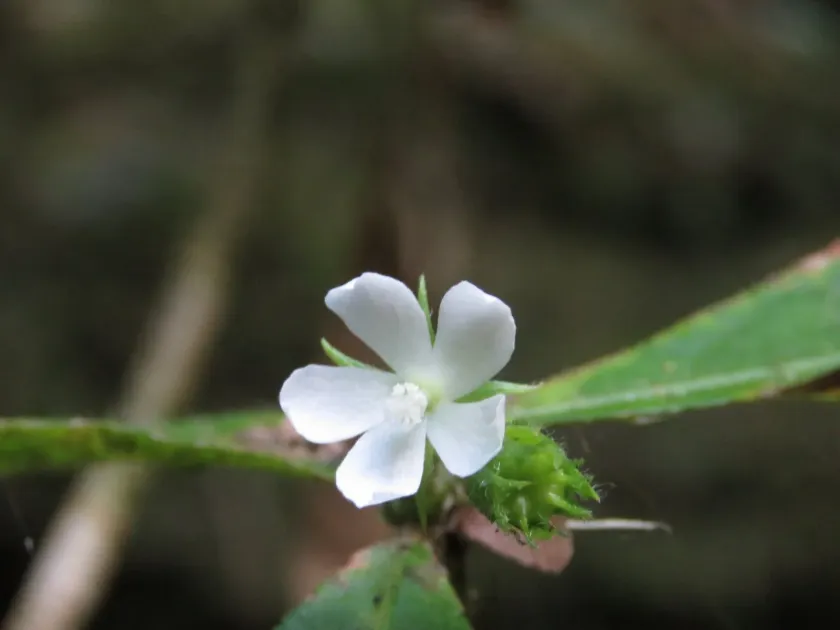
Description
Growing requirements
Pavonia fruticosa is a woody shrub belonging to the Malvaceae family. Native to tropical regions of South America, it is prized for its ornamental value and specific botanical characteristics typical of tropical understory species.
This crop thrives in consistent tropical climates, requiring temperatures between 22 and 28 degrees Celsius. It is highly sensitive to cold stress and must be protected from frost, which can cause irreparable damage to the vascular system of the shrub.
Soil requirements for Pavonia include well-draining, nutrient-rich substrates with a slightly acidic to neutral pH level. The plant does not tolerate waterlogged conditions, making adequate drainage a mandatory component of the planting site or container setup.
Light intensity is critical for the healthy development of Pavonia fruticosa. While it enjoys bright conditions, it requires protection from harsh, direct sunlight, which can bleach the foliage and reduce the overall aesthetic quality of the shrub.
High humidity levels are essential for this plant to maintain its vigorous growth rate. In commercial or nursery settings, maintaining humidity levels above 70% is standard practice to prevent tip burn and ensure optimal development of the floral buds.
Main diseases and pests
The primary pests affecting this crop include spider mites, mealybugs, and aphids, which are particularly prevalent in greenhouse environments. Integrated pest management, including biological controls, is often necessary for large-scale production.
Root pathogens such as Pythium and Phytophthora are common threats if the soil remains excessively wet for prolonged periods. Maintaining proper air circulation and implementing strict irrigation protocols are the most effective preventive measures.