
Bahama swampbush
Pavonia bahamensis
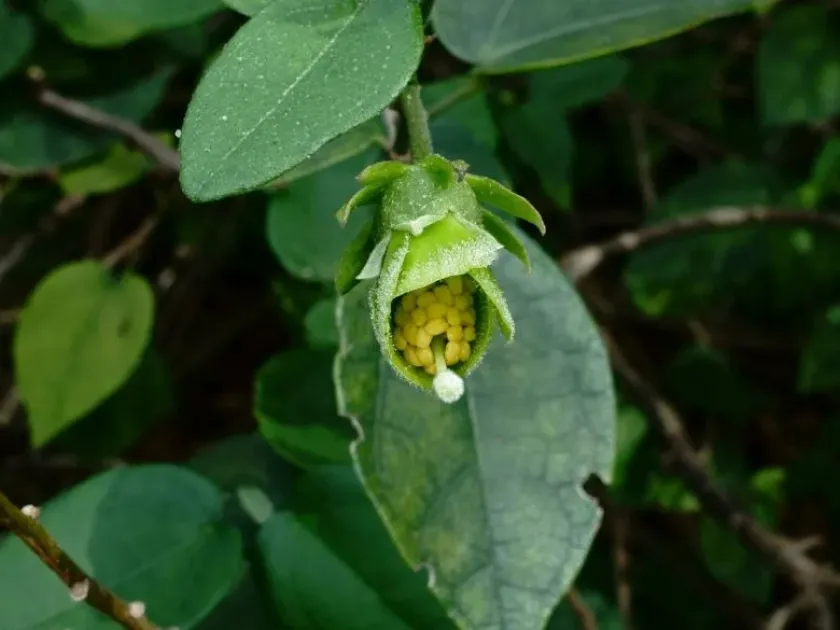
Description
Growing requirements
The Bahama swampbush (Pavonia bahamensis) is a woody shrub belonging to the Malvaceae family. Native to the Bahamas and parts of the Caribbean, it thrives in coastal habitats where temperatures remain consistently warm throughout the year.
It prefers well-draining, calcareous soils that are typical of its endemic regions. The plant is notably salt-tolerant, allowing it to flourish in environments where other shrubs might struggle, making it an excellent candidate for coastal landscaping in tropical zones.
The botanical structure consists of alternate, simple leaves and distinct five-petaled flowers typical of its family. It forms a dense, bushy habit, reaching moderate heights, which makes it suitable for ornamental hedging or as a focal point in specialized xeriscaping gardens.
Climate requirements include high solar exposure and protection from frost. While it can withstand periods of drought once established, consistent growth requires a moderate watering schedule. It does not tolerate waterlogged soil, so proper drainage is non-negotiable for cultivation.
Cultivation practices involve seasonal pruning to manage size and promote denser growth. It requires minimal fertilization; however, providing balanced nutrients during the growing season can enhance both foliage density and the frequency of its bloom cycle.
Main diseases and pests
Common pests affecting Pavonia bahamensis include spider mites and mealybugs, particularly when the plant is kept in greenhouse conditions with poor air circulation. Integrated pest management using horticultural oils is often the most effective solution.
Fungal issues, such as leaf spot and root rot, are usually the result of over-irrigation or excessive atmospheric humidity. Providing a well-ventilated space and allowing the soil to dry out slightly between waterings are essential preventive measures against these pathogens.
Viral infections are less common but can occur if sap-sucking insects are not controlled. Regular monitoring of the leaves ensures that any signs of discoloration or deformation are addressed immediately, preventing the spread of secondary infections throughout the plant.
Nutrient deficiencies, particularly iron chlorosis, may occur in soils that are too alkaline or lack proper micro-nutrients. Applying chelated fertilizers can help correct these imbalances and restore the healthy green pigment to the leaves.
Ensuring the plant is not overcrowded is critical for long-term health. Good spacing promotes the airflow necessary to keep the foliage dry and prevents the accumulation of moisture, which is the primary catalyst for most fungal diseases in this species.